
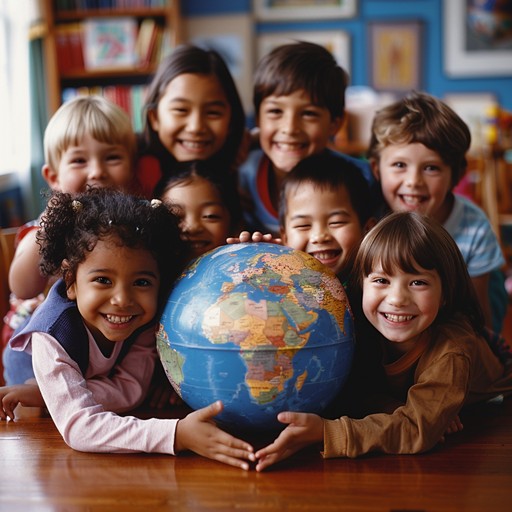
The landscape of human development is undergoing a dramatic structural transformation. As the world hurtles toward the middle of the twenty-first century, the fundamental experience of being a child is being rewritten by unprecedented forces. From altered global population centers to rapid climate shifts and exponential technological acceleration, the next generation will inherit a world vastly different from the one known today. Understanding these shifting paradigms is no longer a matter of simple academic curiosity; it is an urgent socio-economic imperative for policy planners, business leaders, educators, and global citizens.
This comprehensive analysis explores the key megatrends reshaping the lives of children in every country. By evaluating long-term projections, structural vulnerabilities, and emerging opportunities, we examine how the global community can navigate these monumental shifts to guarantee every child a safe, equitable, and flourishing future.
A. Navigating Demographic Transformations Across Continents
Global population dynamics are undergoing an unprecedented spatial reorganization. While overall human populations continue to age in several developed nations, the geographic distribution of children is concentrating intensely within specific geographic corridors.
1. The Great Demographic Tilt Toward the Global South
By the decade of the 2050s, the concentration of the world’s youth will shift decisively toward Sub-Saharan Africa and South Asia. High birth rates combined with gradual improvements in child survival rates mean that these regions will host the vast majority of the planet’s young people.
The economic and institutional implications of this concentration are vast:
A. Infrastructure and educational facilities in developing nations must expand at record speeds to prevent systemic dropouts and systemic youth unemployment.
B. Healthcare architecture must pivot toward preventive pediatric care, addressing nutritional shortfalls and tropical disease management.
C. Urban centers in low-and-middle-income countries will require massive investments in child-friendly infrastructure, clean sanitation, and public safety networks.
2. Low Fertility and the Aging Western and East Asian Paradigms
In sharp contrast to the rapid growth in Africa and parts of South Asia, major economies across East Asia, Western Europe, and North America are facing historically low fertility rates. The proportion of children relative to the general population in these regions is shrinking at a steady pace.
This demographic contraction presents distinct economic hurdles:
A. School systems face consolidation or closure due to dwindling enrollment numbers, leading to structural shifts in educational funding.
B. Social welfare systems face fiscal strain as a shrinking domestic workforce struggles to fund pensions and healthcare for a expanding elder demographic.
C. Countries with low birth rates are increasingly turning to automated productivity solutions and targeted immigration policies to sustain critical workforce needs.
       GLOBAL CHILD DEMOGRAPHIC SHIFTS (2000s vs. 2050s Projections)
┌───────────────────────┬──────────────────────┬──────────────────────┐
│ Region                │ Child Pop Share (2000s)│ Projected Share (2050s)│
├───────────────────────┼──────────────────────┼──────────────────────┤
│ Sub-Saharan Africa    │ ~50%                 │ <40% (Higher total#) │
│ East Asia             │ ~29%                 │ <17%                 │
│ Western Europe        │ ~20%                 │ <17%                 │
└───────────────────────┴──────────────────────┴──────────────────────┘
B. The Escalating Climate Emergency and Environmental Hazards
Environmental sustainability is directly tied to the future of childhood. Children are biologically and socio-economically more vulnerable to climate volatility than adults, making environmental stabilization the single most important factor in securing future public health.
1. The Multiplication of Extreme Weather Events
Long-term climate models project a marked increase in environmental hazards targeting vulnerable youth populations. Compared to baseline figures from the early 2000s, children living toward the mid-century mark will experience vastly higher exposures to climate shocks:
A. Heatwave exposure is projected to increase up to eight times, threatening infant thermal regulation and interrupting formal schooling days.
B. Riverine flooding risks are expected to triple, causing direct disruptions to physical safety, school access, and clean water supplies.
C. Extreme wildfire hazards and prolonged drought cycles will nearly double, placing agriculture-dependent communities at high risk for acute food insecurity.
2. Physiological and Development Vulnerabilities
Environmental degradation affects developing bodies far more severely than fully formed adults. Air pollution, heat stress, and water scarcity carry lasting physical consequences:
A. Chronic exposure to fine particulate matter damages developing lung tissue and causes permanent reductions in cognitive processing speeds.
B. Prolonged heat stress triggers severe dehydration and compromises early immune functions, leading to heightened hospitalization rates among young infants.
C. Disruptions in agricultural yields lead to maternal and child malnutrition, causing irreversible stunted physical growth and delayed cognitive markers.
3. Climate Displacement and Educational Interruption
As natural disasters intensify, millions of children will experience temporary or permanent displacement. Forced migration destabilizes childhood continuity in critical ways:
A. Displacement forces children out of structured school environments, widening learning gaps and increasing early drop-out rates.
B. Temporary shelter conditions often expose young people to poor sanitation, increasing the spread of waterborne pathogens.
C. Psychological trauma caused by losing homes and communities severely impacts long-term mental well-being and academic performance.
C. The Double-Edged Sword of Frontier Technologies
The rapid emergence of artificial intelligence, high-speed connectivity, and immersive digital platforms offers unprecedented tools for educational advancement, while simultaneously presenting major ethical, developmental, and economic risks.
               THE DIGITAL DIVIDE IN CHILD DEVELOPMENT
       HIGH-INCOME NATIONS                    LOW-INCOME NATIONS
   ┌──────────────────────────┐           ┌──────────────────────────┐
   │ >95% Digital Access      │           │ ~26% Digital Access      │
   │ AI-Assisted Learning     │           │ Basic Infrastructure Gap │
   │ Advanced Skill Building  │           │ Risk of Tech Marginalization│
   └──────────────────────────┘           └──────────────────────────┘
1. AI-Driven Personalization in Universal Education
Artificial intelligence holds the potential to democratize high-quality instruction across diverse geographies. When integrated responsibly into educational systems, modern technology provides:
A. Tailored learning algorithms that adapt to a child’s learning speed, addressing comprehension gaps in real time.
B. Real-time language translation services that allow non-native speakers to access vast global libraries of academic literature.
C. Immersive virtual reality environments that bring complex scientific and historical concepts to life, even in underfunded rural classrooms.

2. Bridging the Global Digital Gap
Despite technological leaps, access to digital infrastructure remains deeply unequal. Without aggressive interventions, the digital divide will continue to widen socio-economic divides between nations:
A. Over 95 percent of families in high-income economies enjoy robust broadband connectivity, compared to less than 30 percent in lower-income nations.
B. Children without early access to digital tools struggle to acquire basic literacy in computing, severely limiting their future job market competitiveness.
C. Power grid vulnerabilities and hardware costs continue to cut off millions of rural students from open-source educational resources.
3. Safeguarding Data Privacy and Psychological Health
The integration of digital platforms into daily life creates unprecedented exposure to digital risks. Safeguarding children online requires stringent global regulatory oversight:
A. Excessive social platform usage without built-in safeguards is linked to rising rates of adolescent anxiety, depression, and social isolation.
B. Algorithmic collection of children’s biometric and behavioral data creates long-term privacy concerns that require strict legal protection frameworks.
C. Machine-generated synthetic media exposes young users to rapid misinformation campaigns, altering their perception of social reality.
D. Educational Access, Literacy, and Skill Acquisition
Access to basic education has made remarkable strides globally over the past century. Modern projections indicate that over 95 percent of children globally will receive primary education by the 2050s. However, the core challenge is shifting from mere school attendance to guaranteeing real, measurable learning quality.
1. Moving Beyond Primary Enrollment to Functional Literacy
Enrolling a child in primary school does not automatically guarantee foundational literacy or numeracy. Millions of students in low-resource settings complete primary cycles without acquiring functional reading capabilities.
Key priorities for reforming global primary education include:
A. Overhauling teacher preparation programs to focus on evidence-based phonics and numeracy instruction techniques.
B. Ensuring essential learning materials—such as textbooks, workbooks, and basic writing supplies—are distributed directly to underfunded rural schools.
C. Implementing early diagnostic assessments to identify learning delays before students transition into complex secondary curricula.
2. Modernizing Curricula for the Mid-Century Workplace
The rapid automation of routine labor demands a complete rethinking of secondary and technical education curricula. The future global workforce will require skills that emphasize complex problem-solving over rote memorization.
Essential subjects for future-ready education include:
A. Digital literacy and introductory programming, enabling students to construct, evaluate, and navigate modern software systems.
B. Environmental science and sustainability, equipping the next generation to design climate-resilient engineering and agricultural systems.
C. Critical thinking, logic, and ethical reasoning, allowing students to navigate synthetic content and complex global systems effectively.
3. Closing the Gender Gap in Specialized Disciplines
Significant progress has been made in closing overall enrollment disparities between boys and girls. However, targeted efforts are still required to ensure equal participation in specialized fields:
A. Encouraging female enrollment in Science, Technology, Engineering, and Mathematics (STEM) courses through mentorship programs and dedicated scholarships.
B. Dismantling institutional and cultural barriers that force young girls out of secondary education due to early caregiving expectations or inadequate facility sanitation.
C. Protecting educational access for girls in regions experiencing political instability or ideological pushback against universal female literacy.
E. Health, Nutrition, and Social Protection Frameworks
A child’s ability to learn, innovate, and contribute to society relies directly on their baseline health and nutritional status during early physical development. Building comprehensive healthcare and safety-net systems is foundational to long-term national growth.
                  STAGES OF COMPREHENSIVE CHILD SUPPORT
   EARLY CHILDHOOD (0-5 YRS)      MIDDLE CHILDHOOD (6-12 YRS)    ADOLESCENCE (13-18 YRS)
   ┌────────────────────────┐     ┌────────────────────────┐     ┌────────────────────────┐
   │ • Maternal Nutrition   │     │ • School Feeding Programs│   │ • STEM & Vocational    │
   │ • Essential Vaccines   │ ──> │ • Functional Literacy  │ ──> │ • Mental Health Support│
   │ • Cognitive Milestones │     │ • Safe Physical Spaces │     │ • Digital Skills Mastery│
   └────────────────────────┘     └────────────────────────┘     └────────────────────────┘
1. Eliminating Early Childhood Stunting and Malnutrition
The first 1,000 days of a child’s life dictate their lifelong health trajectory. Chronic food insecurity and poor dietary diversity cause stunting, leading to permanent cognitive and physical deficits.
Effective interventions to combat developmental stunting include:
A. Providing fortified food supplements and prenatal micro-nutrients to expectant mothers in low-income regions.
B. Expanding universal school lunch programs to guarantee every child at least one nutrient-dense meal per day.
C. Supporting small-scale local agriculture to ensure local food supply chains remain resilient against climate shocks.
2. Rebuilding Universal Immunization and Pediatric Healthcare Networks
Global health crises and regional instability have occasionally disrupted routine childhood vaccination schedules, allowing preventable diseases to resurface. Re-establishing robust pediatric healthcare networks requires immediate institutional backing.
Key strategic healthcare focus areas:
A. Expanding mobile medical clinics to deliver basic vaccines, deworming treatments, and health screenings to remote communities.
B. Investing in clean water distribution networks to eliminate cholera, dysentery, and parasites that undermine child nutrition.
C. Training local community health workers to monitor developmental milestones and intervene early during acute childhood illnesses.
3. Expanding Universal Child Benefits and Economic Safety Nets
Economic poverty remains the primary driver of child labor, early marriage, and school abandonment. Universal cash transfer programs have proven to be exceptionally effective at stabilizing vulnerable households.
Benefits of cash support programs include:
A. Allowing low-income families to afford school supplies, nutritious food, and medical fees without pulling children into the labor market.
B. Reducing family economic stress, which directly lowers rates of domestic instability and child neglect.
C. Stimulating local village economies by increasing purchasing power for basic domestic goods and services.

F. Urbanization and Creating Child-Centric Cities
By mid-century, nearly 60 percent of the world’s children will reside in urban environments, up from 44 percent in the early 2000s. Transforming expanding urban areas into safe, supportive environments for youth development is essential for future urban planning.
1. Urban Infrastructure and Public Spaces
Dense urban centers often prioritize vehicular traffic and commercial real estate at the expense of communal spaces for children. Urban planning must pivot toward child-centric architectural design.
Crucial urban design modifications:
A. Designing dedicated green parks and car-free recreational spaces to encourage physical exercise and unstructured play.
B. Building secure, walkable transit corridors connecting residential zones directly to neighborhood schools and public libraries.
C. Installing localized air-purification structures and shaded cooling shelters near playgrounds to mitigate urban heat island effects.
2. Housing Security and Informal Settlement Upgrading
Rapid, unplanned urban growth frequently leads to sprawling informal settlements lacking clean water, electricity, and sewage systems. Children raised in these environments face heightened safety and health hazards.
Policy solutions for urban housing equity:
A. Upgrading informal settlements with clean municipal water systems, reliable lighting, and pave walkways.
B. Implementing targeted rent stabilization measures to prevent frequent family relocations that disrupt schooling.
C. Establishing community center facilities within low-income housing developments to provide safe after-school care and study spaces.
G. Strategic Policy Recommendations for International Leaders
Securing a flourishing future for the next generation demands coordinated global action today. National governments, private enterprise, and international institutions must align their capital investments with long-term human development targets.
┌────────────────────────────────────────────────────────────────────────┐
│                   PILLARS OF FUTURE CHILD-CENTERED POLICY               │
├──────────────────┬──────────────────┬──────────────────┬───────────────┤
│    EDUCATION     │  CLIMATE ACTION  │   DIGITAL SAFETY │  CHILD RIGHTS │
│  Invest in basic │  Build resilient │  Ensure equitable│  Anchor rules │
│  literacy & STEM │  infrastructure  │  access & privacy│  in CRC standards│
└──────────────────┴──────────────────┴──────────────────┴───────────────┘
Recommended global priority actions:
A. Allocate a minimum of 20 percent of national public budgets to education, healthcare, and child protection services, particularly in developing economies.
B. Enforce international climate agreements to limit global temperature rises, while funding resilient infrastructure projects designed to protect children from extreme weather.
C. Mandate equitable digital inclusion initiatives that extend internet infrastructure to rural schools while holding technology companies accountable for safety standards.
D. Center international human rights frameworks, specifically the United Nations Convention on the Rights of the Child, in all legislation and economic planning.
Concluding Thoughts
The future of global childhood in 2050 is not predetermined. It is a direct reflection of the investments, policy choices, and environmental standards established today. While megatrends like demographic shifts, climate volatility, and rapid technological advancement present complex challenges, they also offer unprecedented opportunities to build a resilient, equitable, and sustainable world. By prioritizing child health, universal digital literacy, sustainable urban design, and robust social safety nets, the global community can ensure that every child regardless of where they are born has the opportunity to thrive.