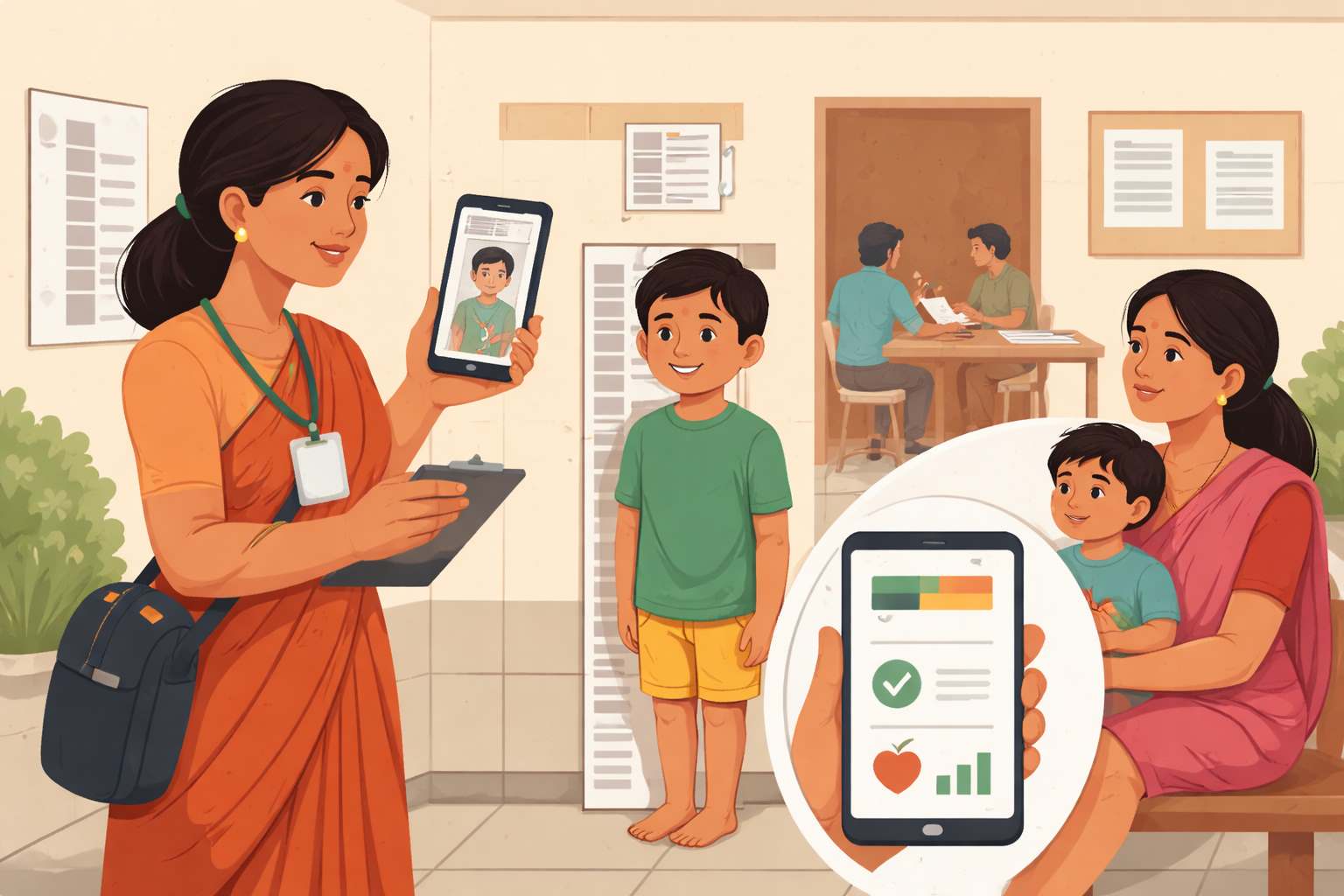
Childhood today looks radically different than it did just a generation ago. Digital devices, once viewed merely as tools for entertainment or academic assistance, have rapidly evolved into sophisticated guardians of pediatric health and wellness. As children navigate a world filled with both digital opportunities and modern health challenges, parent tech solutions are rising to meet crucial needs. From artificial intelligence that monitors early developmental milestones to smart wearables that track vital signs in real time, innovative technology is changing how we protect, nourish, and nurture the next generation.
Understanding the intersection of technology and pediatric care is no longer just for medical professionals or tech enthusiasts. It is an essential topic for parents, educators, and caregivers who want to harness the benefits of modern innovation while mitigating potential risks. Below is an in-depth examination of the primary areas where smart technology is currently protecting child health, transforming traditional parenting practices, and creating safer environments for growing children.
1. The Emergence of Connected Health Wearables
One of the most significant breakthroughs in child health management is the development of smart wearable devices designed specifically for infants, toddlers, and young children. Unlike standard adult smartwatches focused primarily on fitness metrics, pediatric wearables are designed with precise medical parameters and child safety at their core.
A. Continuous Vital Sign Monitoring
Infant health monitoring has evolved far beyond traditional audio and video baby monitors. Modern smart socks, biometric bands, and connected onesies come equipped with miniature sensors that measure heart rate, blood oxygen saturation levels ($SpO_2$), body temperature, and movement patterns. By utilizing Low-Energy Bluetooth and Wi-Fi networks, these devices send real-time health updates directly to a parent’s smartphone. If a child’s heart rate drops below a safe threshold or if their oxygen levels fluctuate unexpectedly, instant notifications allow parents to take immediate action, offering unprecedented peace of mind—especially for infants with pre-existing conditions or respiratory sensitivities.
B. Smart Posture and Physical Activity Trackers
As children spend more time sitting at desks or engaging with digital content, spinal alignment and physical inactivity have become major health concerns. Wearable posture clips and smart bands gently vibrate when a child slouches for extended periods, encouraging healthy ergonomic habits from an early age. Furthermore, these wearables track daily steps, active play time, and outdoor exposure, gamifying physical movement to fight childhood sedentary lifestyles and obesity.
2. Advanced Indoor Air and Environmental Quality Monitoring
Children spend a vast majority of their time indoors, whether at home or in school environments. Because young lungs are still developing, they are particularly vulnerable to airborne toxins, allergens, and volatile organic compounds (VOCs). Smart environmental monitoring systems play a critical defensive role in child respiratory health.
A. Real-Time Allergen and Pollutant Detection
Modern smart air purifiers and standalone environmental sensors continuously monitor room conditions. They detect micro-particles such as dust mites, pet dander, mold spores, and PM2.5 particulates. When pollutant thresholds are crossed, these systems automatically adjust their filtration speeds or alert parents via mobile applications. For children suffering from pediatric asthma, environmental allergies, or eczema, maintaining optimal indoor air quality drastically reduces symptom flare-ups and emergency room visits.
B. Temperature, Humidity, and Mold Prevention
Improper room temperature and high humidity levels can severely disrupt a child’s rest and foster the growth of harmful molds. Smart home thermostats and environmental hubs analyze localized climate data to adjust heating and cooling automatically. By maintaining optimal humidity levels between 30% and 50%, smart technology creates an indoor atmosphere that prevents skin irritation, reduces viral transmission rates, and supports deep, restorative sleep.
3. Intelligent Pediatric Sleep Optimization
Quality sleep is foundational to a child’s growth, cognitive development, immune function, and emotional regulation. However, sleep disturbances remain one of the most common issues reported by parents. Smart sleep technology offers data-driven solutions to create ideal sleeping conditions and establish healthy circadian rhythms.
A. Smart Sound Machines and Circadian Lighting
Biological clocks in young children are highly sensitive to light cycles. Smart sound machines and connected nightlights utilize scientifically calibrated red-orange light wavelengths during evening hours to encourage natural melatonin production. In the morning, they shift to cool blue hues to gently signal wakefulness. Integrated white noise, pink noise, and rain soundscapes help mask disruptive household noises, allowing children to fall asleep faster and stay asleep longer.
B. Sleep Tracking and Behavioral Analytics
Non-contact sleep monitors placed under mattress pads or mounted on bedroom walls utilize ultra-wideband (UWB) radar or advanced computer vision to monitor sleep phases without physical contact. These devices analyze light sleep, deep sleep, and REM cycles, generating comprehensive sleep reports. By identifying subtle patterns—such as frequent night awakenings linked to room temperature drops—parents and pediatricians can adjust bedtimes and environmental conditions based on concrete data rather than guesswork.
4. Digital Eye Health and Screen Time Management
With remote learning and digital entertainment becoming integral to childhood, screen-induced eye strain and vision degradation have escalated globally. Prolonged exposure to high-energy visible (HEV) blue light and improper viewing distances contribute significantly to early-onset myopia (nearsightedness) and digital eye fatigue.
A. Distance-Aware Screens and Automated Display Filters
Smart tablets and specialized display monitors now incorporate infrared depth sensors and front-facing cameras that measure how close a child is holding the device. If the child holds the screen closer than 12 inches (30 centimeters) to their face for a prolonged period, the software pauses playback or displays a friendly pop-up reminding them to back up. Additionally, intelligent display engines automatically adjust color temperatures and reduce blue light emissions according to the time of day to protect retinal health.
B. Structured Screen Break Timers and Usage Analytics
Excessive uninterrupted screen time leads to reduced blinking rates, causing dry eyes and headache symptoms. Smart parental control applications utilize micro-break algorithms that enforce regular pauses. Every 20 minutes, devices can lock briefly, prompting the child to look at objects at least 20 feet away for 20 seconds (the 20-20-20 rule). This simple automated intervention reduces ocular muscle strain and conditions children to develop healthier technology usage habits.
5. Next-Generation Nutrition and Smart Hydration Tools
Proper nutrition and hydration are the twin pillars of healthy physical and mental development. However, busy schedules and picky eating habits often make tracking actual nutrient intake difficult for parents. Smart culinary and dietary tools simplify this complex challenge.
A. Connected Hydration Bottles with Reminders
Children frequently forget to drink enough water throughout the day, especially during intense physical activity or warm weather. Smart water bottles utilize internal weight sensors or liquid level detectors to log exact water intake. Equipped with customizable LED glow rings and audio chimes, these bottles remind children to hydrate at scheduled intervals. Parents can monitor daily consumption metrics through connected apps, ensuring their child stays properly hydrated to support cognitive focus and kidney function.
B. Smart Food Scales and Dietary Apps
For children with specific dietary needs, juvenile diabetes, or food allergies, precision nutrition is critical. Connected kitchen scales link with nutritional databases to break down meals into macronutrients, vitamins, and calories instantly. Smart allergy-management apps allow parents to scan product barcodes in grocery stores, flagging hidden allergens such as nuts, gluten, or dairy, thereby protecting sensitive children from severe allergic reactions.
6. AI-Powered Early Developmental and Mental Health Screening
Early intervention is crucial when dealing with developmental delays, neurodivergent conditions, or emerging mental health struggles in young children. Artificial intelligence and machine learning algorithms are now empowering both parents and clinical practitioners to identify potential challenges far earlier than traditional observational methods allowed.
A. Speech, Language, and Motor Skill Analysis
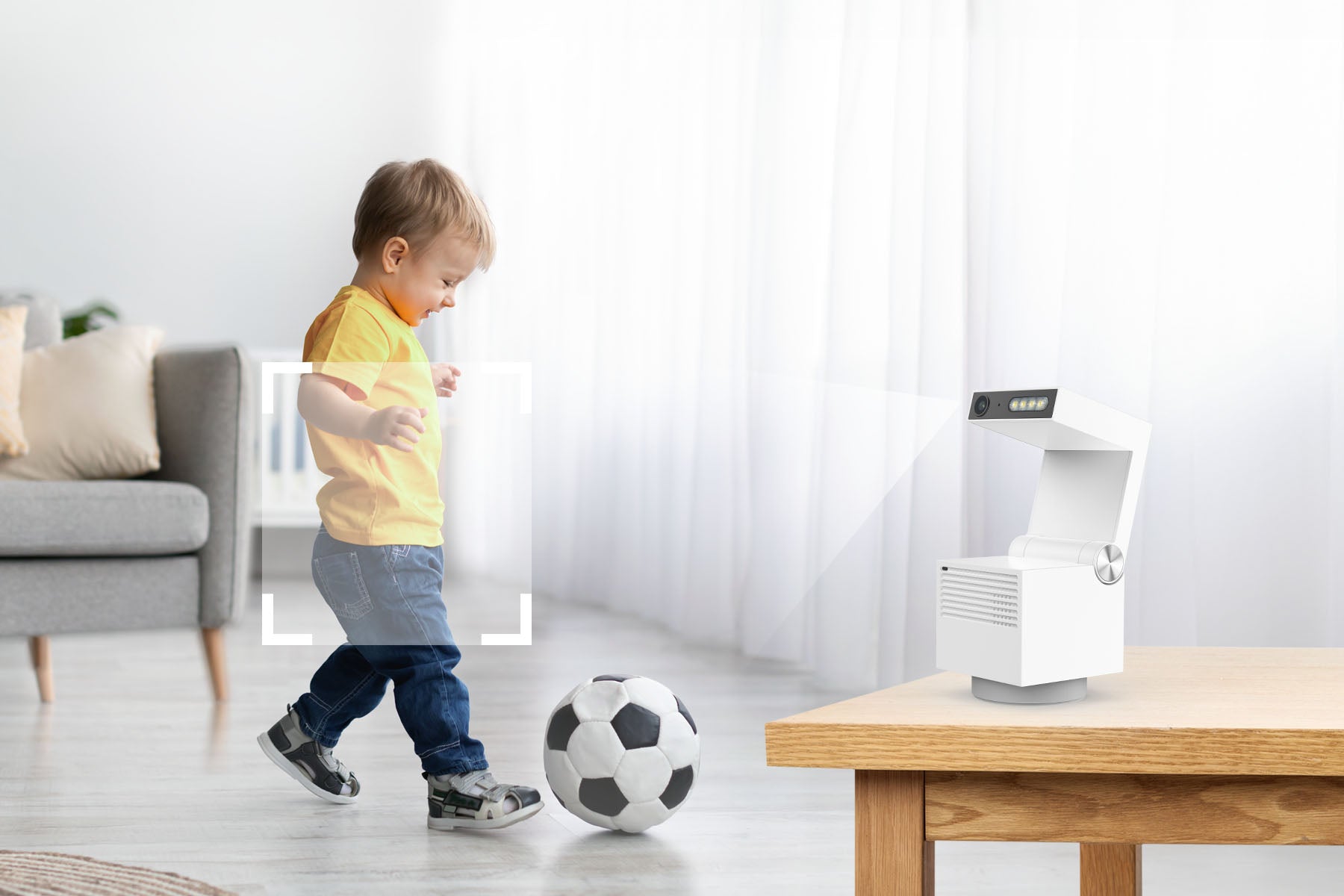
Interactive educational applications equipped with natural language processing (NLP) can evaluate a young child’s vocabulary expansion, pronunciation clarity, and speech cadence during play. Similarly, smart camera systems and interactive tablets analyze fine motor skills, such as tracing shapes or stacking digital objects. By comparing performance data against validated developmental benchmarks, these applications flag early signs of speech delays, dyspraxia, or autism spectrum traits, encouraging timely clinical assessments.
B. Behavioral Pattern Recognition and Emotional Wellness
Smart home ecosystems and wearable emotional health monitors are beginning to track behavioral shifts by combining physiological metrics with environmental data. Abnormal spikes in heart rate accompanied by vocal strain can signal high anxiety levels, sensory overload, or emotional distress. Early notification enables caregivers to intervene with de-escalation techniques, mindfulness exercises, or targeted professional support before severe meltdowns or chronic anxiety take hold.
7. Transforming Emergency Prevention and Personal Safety
Beyond everyday wellness, smart technology acts as an essential security shield against domestic accidents, outdoor drownings, and physical safety threats. Unintentional injuries remain a leading concern for pediatric emergency room visits, making preventive home automation invaluable.
A. Smart Pool Alarms and Water Safety Wearables
Drowning poses a major safety threat to toddlers and young children. Smart pool monitoring systems use underwater sonar, surface movement sensors, and camera vision to identify unexpected falls into water. Additionally, wearable wristbands sound loud home alarms and send immediate smartphone alerts if submerged for longer than a few seconds. These overlapping layers of protection give families crucial extra seconds to react during potential emergencies.
B. GPS Tracking, Geofencing, and Emergency SOS
Modern kid-friendly smartwatches provide real-time GPS, cellular connectivity, and Wi-Fi triangulation to give parents precise location visibility. Caregivers can establish customized “safe zones” (geofences) around homes, schools, and playgrounds. If a child steps outside these designated boundaries, an automated alert is triggered. In dangerous situations, children can hold a dedicated SOS button to broadcast their live location and establish a direct audio line to emergency contacts.

8. Best Practices for Integrating Smart Tech into Child Care
While smart technology offers unprecedented advantages for monitoring and protecting child health, tech tools should complement, rather than replace, attentive parenting and professional medical advice. To maximize safety and efficacy, consider the following strategic guidelines:
A. Prioritize Data Privacy and Cyber Security
Health and location data belonging to children must be protected with extreme care. Always choose devices from reputable manufacturers that enforce end-to-end encryption, regular firmware updates, and strict privacy policies that prohibit selling data to third parties.
B. Avoid Technology Over-Reliance
Smart monitors provide helpful data, but they are not substitutes for physical supervision. Parents should use tech readouts as supportive guidance while continuing to trust their own observations, intuition, and direct interactions with their children.
C. Maintain Open Communication with Pediatricians
Share digital logs, sleep trends, and nutritional reports with your pediatrician during routine wellness checkups. Medical professionals can contextualize data, helping separate minor normal fluctuations from genuine health concerns that require intervention.
Conclusion
Smart technology has permanently redefined the boundaries of pediatric health care and domestic safety. By integrating continuous biometric monitoring, environmental management, sleep optimization, digital eye protection, and safety tracking into daily routines, parents can build a comprehensive safety net for their children. As these innovations continue to advance, the synergy between human caregiving and technological intelligence promises a healthier, safer, and brighter future for children worldwide.