Table of contents
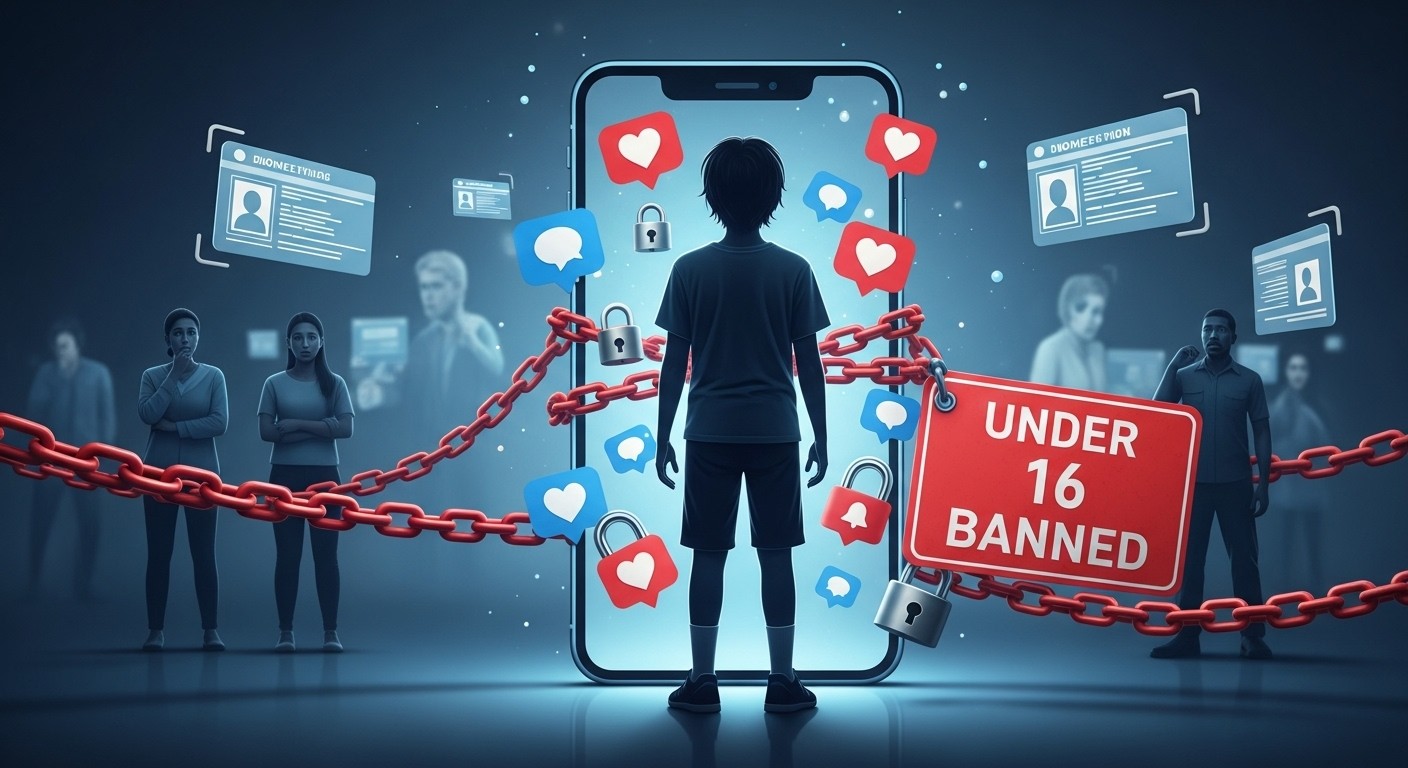
The digital landscape is undergoing a massive transformation as tech giants and international regulatory bodies enforce strict age-restriction protocols. Major social networks, interactive gaming networks, and streaming platforms have started systematically deactivating and banning accounts owned by underage users. This shift is no longer just a voluntary safety initiative by tech companies; it has evolved into a global legal mandate designed to shield younger demographics from online hazards, algorithmic addiction, and severe privacy exposures.
Understanding why modern platforms ban underage accounts requires analyzing legal pressures, mental health research, technical verification challenges, and the changing responsibilities of digital services.
1. The Global Regulatory Shift Driving Underage Bans
Governments around the globe have moved from passive guidelines to strict enforcement frameworks targeting underage digital participation. Regulatory authorities are placing financial and legal liability directly on tech companies that fail to keep children off their services.
A. Statutory Minimum Age Legislation Governments worldwide have established strict minimum age limits for digital account creation. Landmark frameworks—such as Australia’s Online Safety Amendment Act, state-level regulations in the United States, and directives across the European Union and Southeast Asia—impose heavy penalties on platforms allowing unverified minors to hold active profiles.
B. Platform Liability and Stiff Financial Penalties Historically, the legal burden of monitoring internet usage rested primarily on parents. Modern legislation shifts this legal liability straight to service providers. Tech platforms face structural audits and fines running into millions of dollars if they allow underage users to bypass registration filters.
C. Mandatory Parental Consent Frameworks In regions where total bans are not enacted for older teens, platforms are required to obtain verified parental consent before an account can be provisioned. If a user fails to prove parental authorization within a specified timeframe, automated systems immediately flag and terminate the account.
2. Psychological Factors and Adolescent Mental Health
Beyond legal obligations, tech companies and medical professionals recognize that traditional social platforms were not engineered for young, developing minds.
A. Algorithmic Addiction and Infinite Scrolling Recommendation algorithms are built to maximize screen engagement. Younger users possess developing prefrontal cortexes, making them particularly vulnerable to dopamine-driven feedback loops triggered by infinite scrolling, push notifications, and variable rewards.
B. Cyberbullying and Unfiltered Peer Pressure Digital interaction exposes young minors to targeted harassment, exclusion, and cyberbullying. The permanent nature of online posts creates acute psychological stress, contributing to rising anxiety and depression levels among adolescents.
C. Unrealistic Social Comparison and Self-Image Issues Curated digital lifestyle content often leads younger users to develop distorted perceptions of body image, success, and social status. Banning young accounts helps remove vulnerable demographics from environments engineered around social metrics like likes, shares, and follower counts.
3. Data Privacy and Commercial Exploitation Risks
Underage account bans act as a defensive perimeter around children’s personal data. Data privacy frameworks strictly regulate how companies store, process, and monetize youth data.

A. Prohibition of Targeted Behavioral Advertising Commercial platforms generate revenue by creating detailed behavioral profiles to serve personalized ads. Operating accounts for minors exposes platforms to severe privacy violations if automated ad engines inadvertently target children based on online tracking.
B. Data Harvest Prevention and Digital Footprints Young internet users often lack the context to understand long-term digital footprints. Removing access prevents premature collection of location logs, biometrics, message metadata, and browsing habits that could persist indefinitely online.
C. Mitigation of Exploitative Monetization Mechanics Modern video games and virtual hubs frequently use loot boxes, microtransactions, and dark pattern UI designs that exploit impulse behavior. Banning unmonitored underage accounts limits unauthorized financial transactions and predatory sales tactics aimed at minors.
4. Modern Age Verification and Detection Technologies
To comply with global rules, platforms no longer rely on simple birthdate drop-down menus, which were easily bypassed. Today’s enforcement relies on multi-layered verification engines.
A. AI-Driven Behavioral Age Estimation Advanced machine learning models analyze account activity to detect underage users. Algorithms monitor typing speed, content preferences, vocabulary, interaction times, and social network connections to calculate a confidence score regarding the user’s real age.
B. Biometric Facial Age Estimation Many services partner with third-party verification providers to perform real-time facial analysis. Users upload a brief video selfie, and facial analysis algorithms estimate their age band without storing raw video footage.
C. Government ID and Digital Identity Integration In jurisdictions requiring absolute certainty, platforms mandate government-issued documentation—such as passports, national IDs, or centralized digital identity wallets—before unlocking account capabilities.
5. Implementation Hurdles and Technical Limitations
Despite automated moderation systems, shutting down underage accounts across massive digital platforms presents complex challenges.
A. Privacy Concerns Over Identity Verification Data Requiring users to upload sensitive identification documents or biometric data creates security risks. Privacy advocates argue that centralizing identity data on platform servers makes users vulnerable to cyberattacks and identity theft.
B. Evasion Tactics via Virtual Private Networks (VPNs) Technologically adept youth frequently attempt to bypass regional access bans by routing their connections through servers in countries with weaker digital age regulations.
C. False Positives and Account Lockouts Automated AI age detection systems can misidentify adult users as minors due to non-standard usage patterns or facial estimation errors. This results in incorrect account suspensions, clogging customer support channels with reinstatement appeals.
6. Safe Alternatives for Young Digital Users
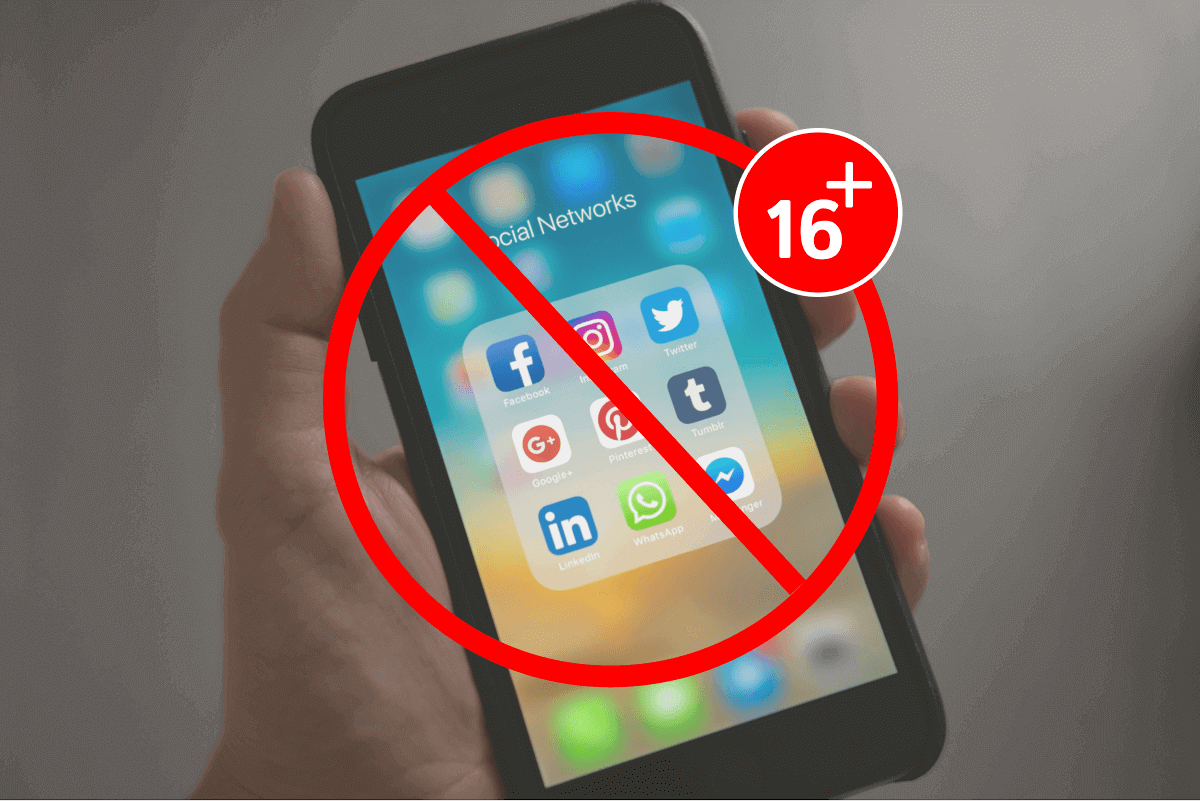
The removal of underage accounts from mainstream social media does not mean minors are excluded from digital life. Industry trends favor dedicated, safe online spaces tailored specifically for younger audiences.
A. Walled-Garden Educational Platforms Services are shifting toward curated environments focused purely on learning, skill building, and safe collaboration without open public discovery feeds.
B. Messaging-Only Networks with Default Privacy Controls Instead of broadcast-style social networks built around public content, platforms are developing closed communication channels restricted to real-world contacts, turning off stranger discovery and public live streams by default.
C. Robust Family Link and Parental Control Suites Operating system developers provide device-level controls that allow parents to manage screen time, restrict app installations, monitor contact lists, and block adult domains directly at the device level.
The Road Ahead for Digital Identity and Youth Safety
The sweeping wave of underage account bans represents a permanent shift in how the internet operates. Online services are transitioning from an unverified public square to regulated digital spaces that require verified identity and age checks. While these enforcement policies present operational and privacy challenges, their ultimate goal remains clear: creating a safer digital ecosystem that protects children from premature exposure to online harms.