

Table of contents
In the modern digital landscape, children are interacting with smartphones, tablets, and gaming consoles at an increasingly younger age. While the internet serves as an incredible gateway for educational growth, creative exploration, and social connection, it concurrently introduces complex vulnerabilities. From hidden tracking algorithms and cyberbullying to inappropriate content and predatory interactions, modern parents face unprecedented challenges. To navigate this terrain, families are turning toward innovative, viral child tech safety tricks that combine smart technological controls with healthy psychological communication. This comprehensive guide explores actionable, field-tested strategies designed to safeguard your children online while empowering them to become responsible digital citizens.
A. Understanding the Digital Landscape and Modern Risks
Before implementing advanced safety protocols, parents must understand the exact nature of contemporary online threats. Technology evolves at a breakneck speed, and children often lack the emotional maturity and critical thinking skills required to process certain digital environments.
- The Illusion of Privacy: Many children treat social media profiles and messaging apps as private diaries, unaware that data can be archived, screenshotted, or manipulated.
- Algorithmic Manipulation: Content delivery algorithms are engineered to maximize user engagement, often exposing young minds to addictive loops, radicalizing viewpoints, or age-inappropriate material.
- Stealth Predators: Modern online predators no longer lurk exclusively in obscure chat rooms; they infiltrate mainstream multiplayer video games, social media comment sections, and short-form video platforms by building false trust over long periods.
Recognizing these hazards allows parents to move away from reactive punishment and toward proactive, strategic digital guidance.
B. Implementing Smart Home Wi-Fi and Network Filtering
One of the most effective structural safety tricks involves fortifying your home network rather than just policing individual devices. Children frequently switch between multiple gadgets, making manual checks tedious and inefficient.
- Centralized Content Filtering: Configure your home Wi-Fi router to block adult content, malicious phishing domains, and known unsafe websites automatically at the network level. This ensures that any device connecting to your home internet inherits baseline protection.
- Network-Level Time Restrictions: Modern smart routers allow parents to schedule internet access blackouts. For instance, you can configure the network to automatically drop connection for specific children’s devices past 9:00 PM, eliminating late-night screen temptations.
- Safe Search Enforcement: Force safe search protocols across major search engines at the router level, preventing accidental exposure to explicit imagery when kids search for school projects or general information.
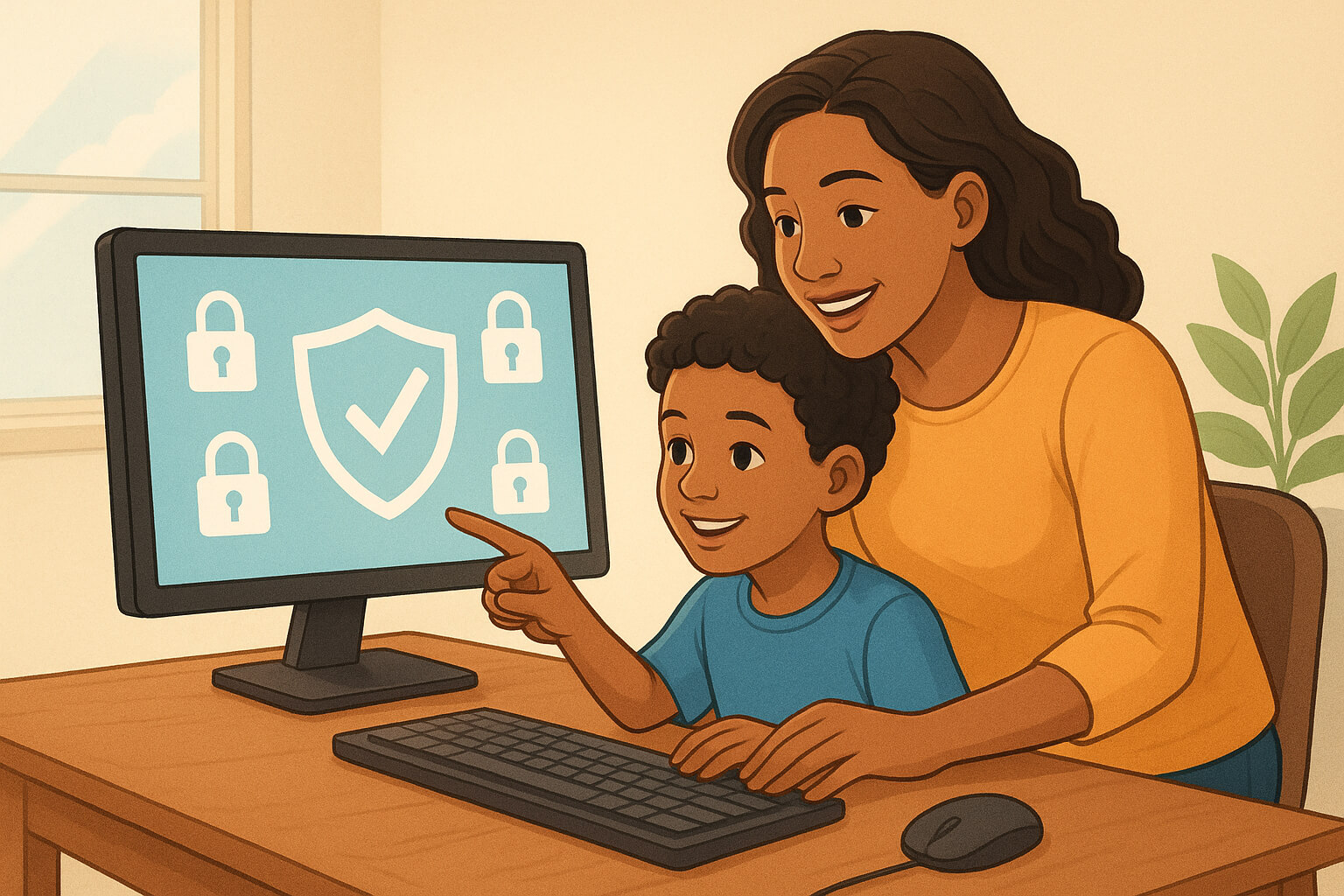
C. Mastering Parental Control Ecosystems and Software
Leveraging digital monitoring apps is no longer optional for proactive parents; it is a vital layer of modern child protection. Several industry-standard platforms offer robust oversight without completely stripping children of their digital independence.
- Google Family Link and Apple Screen Time: Utilize native operating system controls to manage daily screen time caps, approve or deny app store downloads, and track physical device locations when necessary.
- Third-Party Monitoring Suites: Applications such as Qustodio, Bark, and Norton Family scan text messages, social media posts, and web searches for warning signs of cyberbullying, depression, or grooming, alerting parents instantly when red flags appear.
- Mandatory App Transparency: Establish a household policy stating that any application a child wishes to download must first be vetted and approved by a parent, ensuring you stay aware of new social networks and hidden messaging apps.
D. Cultivating Open Communication and Judgment-Free Zones
The absolute strongest firewall in existence is not a piece of software—it is an open, trusting relationship between parent and child. If children fear harsh punishments or the complete confiscation of their devices, they will hide their mistakes, cyberbullying encounters, or uncomfortable messages.
- The “No Blame” Promise: Explicitly tell your child that if someone online makes them feel uncomfortable, threatens them, or tricks them, they can come to you immediately without getting into trouble.
- Regular Digital Check-Ins: Make conversations about technology a natural part of daily life. Ask open-ended questions about what games they are playing, which creators they enjoy watching, and what trends are currently popular at school.
- De-stigmatizing Mistakes: Teach children that encountering strange or disturbing content online is not their fault, provided they report it immediately rather than keeping secrets.
E. Establishing Golden Family Digital Rules
Structure brings psychological safety. Establishing clear, consistent household boundaries prevents screen time fatigue and minimizes late-night exposure to online risks.
- The Overnight Charging Station: Ban all smartphones, tablets, and laptops from bedrooms during sleeping hours. Require all family devices to plug into a centralized charging station in the kitchen or living room overnight.
- Shared Space Browsing: For younger children, mandate that internet-enabled devices must be used in common family areas where parents can easily monitor activity.
- Device-Free Zones and Times: Enforce strict offline periods during family meals and for at least sixty minutes before bedtime to protect natural melatonin production and encourage real-world interaction.

F. Teaching Digital Literacy and Critical Thinking
As artificial intelligence and deepfake technologies become mainstream, children must learn to question the authenticity of what they see and hear online.
- The Verification Habit: Teach children that digital media including images, voices, and videos can be artificially generated or manipulated using AI. Encourage them to cross-reference facts with trusted educational sources.
- Understanding the Digital Footprint: Explain that everything posted online leaves a permanent trace that can potentially be viewed by future employers, teachers, or college admission boards.
- The Golden Rule of Posting: Implement a simple mental filter before posting: “Would I say this face-to-face, and would I be comfortable with my grandparents or a school principal reading this?”
G. Recognizing Warning Signs of Digital Distress
Even with meticulous precautions in place, situations can slip through the cracks. Parents must remain vigilant for behavioral shifts that indicate online harassment, cyberbullying, or predatory grooming.
- Sudden Secrecy: If a child abruptly angles their screen away, rapidly closes browser windows when someone walks by, or exhibits extreme defensiveness over device usage, investigate gently.
- Emotional Volatility After Screen Time: Noticeable anxiety, panic, sadness, or withdrawal from family activities immediately following internet sessions often points to negative social media comparisons or cyberbullying.
- Unexplained Material Requests: Sudden anxiety surrounding the loss of a phone or requests for money/gift cards can indicate extortion schemes or online scams.
By combining advanced technological barriers with compassionate guidance, modern families can successfully transform the internet from a source of anxiety into a safe, enriching tool for growth.