
Table of contents
A. Executive Summary and the Global Regulatory Paradigm Shift
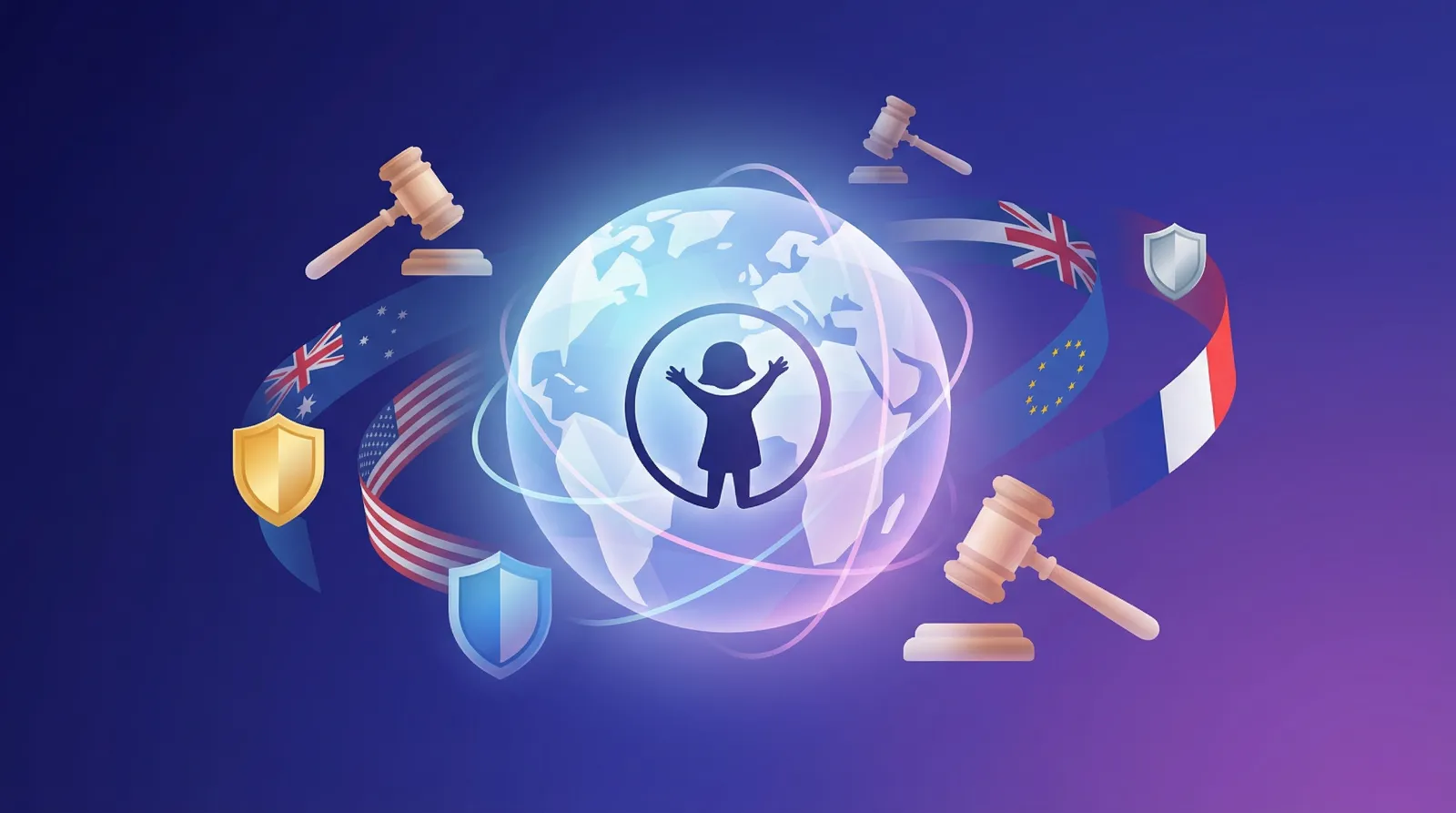
The rapid expansion of hyper-connected software architectures, interactive gaming ecosystems, generative artificial intelligence systems, and algorithmic social networking platforms has drastically reshaped child development. While digital tools provide unprecedented educational opportunities and global connectivity, they simultaneously expose underage individuals to serious online risks. These hazards include severe data privacy intrusions, predatory grooming practices, algorithmic manipulation leading to screen addiction, persistent cyberbullying, and exposure to harmful or illegal material.
Governments across multiple jurisdictions have moved away from legacy self-regulation models toward mandatory statutory frameworks. These legal mechanisms establish strict liability regimes for online intermediaries, network technology operators, app marketplaces, and content publishers. Modern regulatory enforcement mandates privacy-by-design standards, robust age verification mechanisms, strict prohibitions on targeted advertising toward minors, and heavy multi-million-dollar fines for non-compliance.
┌──────────────────────────────────────────────────────────────────┐
│                   GLOBAL CHILD SAFETY SPECTRUM                   │
├──────────────────┬──────────────────┬────────────────────────────┤
│ Jurisdiction     │ Key Legislation  │ Main Legal Mechanism       │
├──────────────────┼──────────────────┼────────────────────────────┤
│ European Union   │ DSA / KIDS Act   │ Systemic Risk Audits       │
│ United Kingdom   │ OSA / AADC       │ Statutory Duty of Care     │
│ United States    │ COPPA / KOSA     │ Strict Parental Consent    │
│ Australia        │ Online Safety Act│ Mandatory Social Ban (<16) │
│ Indonesia        │ PP 17 / Permen 9 │ Risk Profile Classifications│
└──────────────────┴──────────────────┴────────────────────────────┘
B. Structural Foundations of International Digital Protection
Digital safety for young users rests upon international human rights treaties and modern legislative mandates. The foundational legal anchor for global digital protection remains the United Nations Convention on the Rights of the Child (UNCRC), specifically General Comment No. 25 (2021) regarding children’s rights in relation to the digital environment.
                      +-----------------------------+
                      |   UNCRC General Comment 25  |
                      +--------------+--------------+
                                     |
           +-------------------------+-------------------------+
           |                                                   |
           v                                                   v
+--------------------+                               +--------------------+
| Protection Measures|                               | Empowerment Access |
| - Anti-grooming    |                               | - Literacy tools   |
| - Data Minimization|                               | - Educational tech |
| - Algorithmic Restraint                            | - Safe Connectivity|
+--------------------+                               +--------------------+
These rights require nation-states to implement binding legal protections that compel digital architecture developers to prioritize the safety, privacy, and psychological well-being of minors above corporate monetization strategies.

C. Major Regional Legislative Frameworks
1. European Union: The Digital Services Act and the EU KIDS Act
The European Union maintains a strict statutory approach to digital platform governance. Under the Digital Services Act (DSA), Very Large Online Platforms (VLOPs) and Very Large Online Search Engines (VLOSEs) must assess systemic risks affecting minors, including mental health impacts and algorithmic amplification of harmful content.
Article 28 of the DSA bans targeted advertising to minors based on profiling. Furthermore, legislative proposals under the EU KIDS Act introduce age-gated platform access tiers:
┌──────────────────────────────────────────────────────────────────┐
│                 EU KIDS ACT PROPOSED AGE TIERS                   │
├─────────────────────┬────────────────────────────────────────────┤
│ Under 13 Years      │ Complete prohibition from social media     │
├─────────────────────┴────────────────────────────────────────────┤
│ 13 to 14 Years      │ Restricted accounts with 1-hour daily limits│
├─────────────────────┴────────────────────────────────────────────┤
│ 15 Years and Older  │ Full account access with high privacy settings│
└──────────────────────────────────────────────────────────────────┘
Non-compliance with EU rules carries financial penalties reaching up to 6% of total worldwide annual turnover.
2. United Kingdom: Online Safety Act and the Children’s Code
The United Kingdom enforces child digital protection through two complementary statutes:
- A. The Age Appropriate Design Code (AADC): Enforced by the Information Commissioner’s Office (ICO), this code sets 15 design standards for online services likely to be accessed by children. Settings must be high-privacy by default, geolocation tracking must be turned off, and aggressive notification strategies (“nudge techniques”) are prohibited.
- B. The Online Safety Act (OSA): Enforced by Ofcom, the OSA imposes a statutory “Duty of Care” on tech platforms. Companies must prevent minors from encountering illegal material, extreme violence, cyberbullying, and content promoting self-harm. Penalties reach up to £18 million or 10% of global annual turnover, along with potential criminal liability for non-compliant corporate executives.
3. United States: Federal COPPA and State-Level Protections
In the United States, digital privacy for minors relies on both federal law and state enactments:
- A. Children’s Online Privacy Protection Act (COPPA): Regulated by the Federal Trade Commission (FTC), COPPA mandates verifiable parental consent prior to collecting, using, or disclosing personal information from children under 13.
- B. State-Level Legislative Activity: Various states have passed age-appropriate design codes and social media access restrictions. State laws in jurisdictions like Florida, Mississippi, Ohio, and Texas enforce parental notification, app store age verification, and restrictions on social media account creation for minors.
4. Asia-Pacific: Australia and Indonesia Statutory Frameworks
- A. Australia: The Australian eSafety Commissioner operates under the Online Safety Act, holding broad enforcement powers to issue take-down notices for cyber-bullying, non-consensual image sharing, and dangerous online content. Australia has also led legislative initiatives to establish strict minimum age requirements for social media platforms.
- B. Indonesia: Indonesia enforces child protection in digital systems via Government Regulation (PP) No. 17 of 2025 and Ministerial Regulation (Permen Kominfo/Komdigi) No. 9 of 2026. Electronic System Providers (PSE) must categorize products by age brackets, obtain explicit parental consent, prohibit hidden profiling, and submit formal risk assessment reports to regulatory authorities.
D. Core Compliance Requirements for Digital Platforms
                     +-----------------------------------+
                     | Core Platform Compliance Pillars  |
                     +-----------------+-----------------+
                                       |
      +-------------------+------------+------------+-------------------+
      |                   |                         |                   |
      v                   v                         v                   v
+-----------+   +-------------------+     +-------------------+   +-----------+
|    Age    |   | Risk Assessments  |     |   Privacy & Data  |   | Reporting |
| Assurance |   |  & Duty of Care   |     |    Minimization   |   | Mechanisms|
+-----------+   +-------------------+     +-------------------+   +-----------+
1. Technical Age Assurance Methodologies
Regulatory frameworks require platforms to implement reliable age assurance without compromising user anonymity. Standard methods include:
- A. Facial Age Estimation: Analyzing facial features through machine learning algorithms to estimate an individual’s age range without storing biometric identity files.
- B. Zero-Knowledge Digital ID Verification: Using cryptographically secured third-party identity apps or official government documentation to confirm age thresholds.
- C. Behavioral Inference Analytics: Analyzing typing speed, navigation habits, and engagement patterns to detect accounts operated by underage users.
2. Risk Assessments and Algorithmic Audits
Digital platforms must perform pre-deployment safety evaluations. Companies must analyze how recommendation engines deliver content, evaluate features that incentivize excessive screen time (such as infinite scrolling or streak counters), and mitigate features that allow unvetted communication with adult users.
3. Privacy-by-Default and Data Minimization
Under modern legal standards, accounts belonging to minors must automatically default to strict protective settings:
┌──────────────────────────────────────────────────────────────────┐
│                   PRIVACY-BY-DEFAULT MANDATES                    │
├─────────────────────┬────────────────────────────────────────────┤
│ Account Visibility  │ Private by default; hidden from search     │
├─────────────────────┼────────────────────────────────────────────┤
│ Direct Messaging    │ Restricted to pre-approved connections     │
├─────────────────────┼────────────────────────────────────────────┤
│ Geolocation Tracking│ Permanently disabled by default            │
├─────────────────────┼────────────────────────────────────────────┤
│ Data Profiling      │ Completely banned for ad-targeting         │
└─────────────────────┴────────────────────────────────────────────┘
4. Mandatory Reporting and Content Moderation Systems
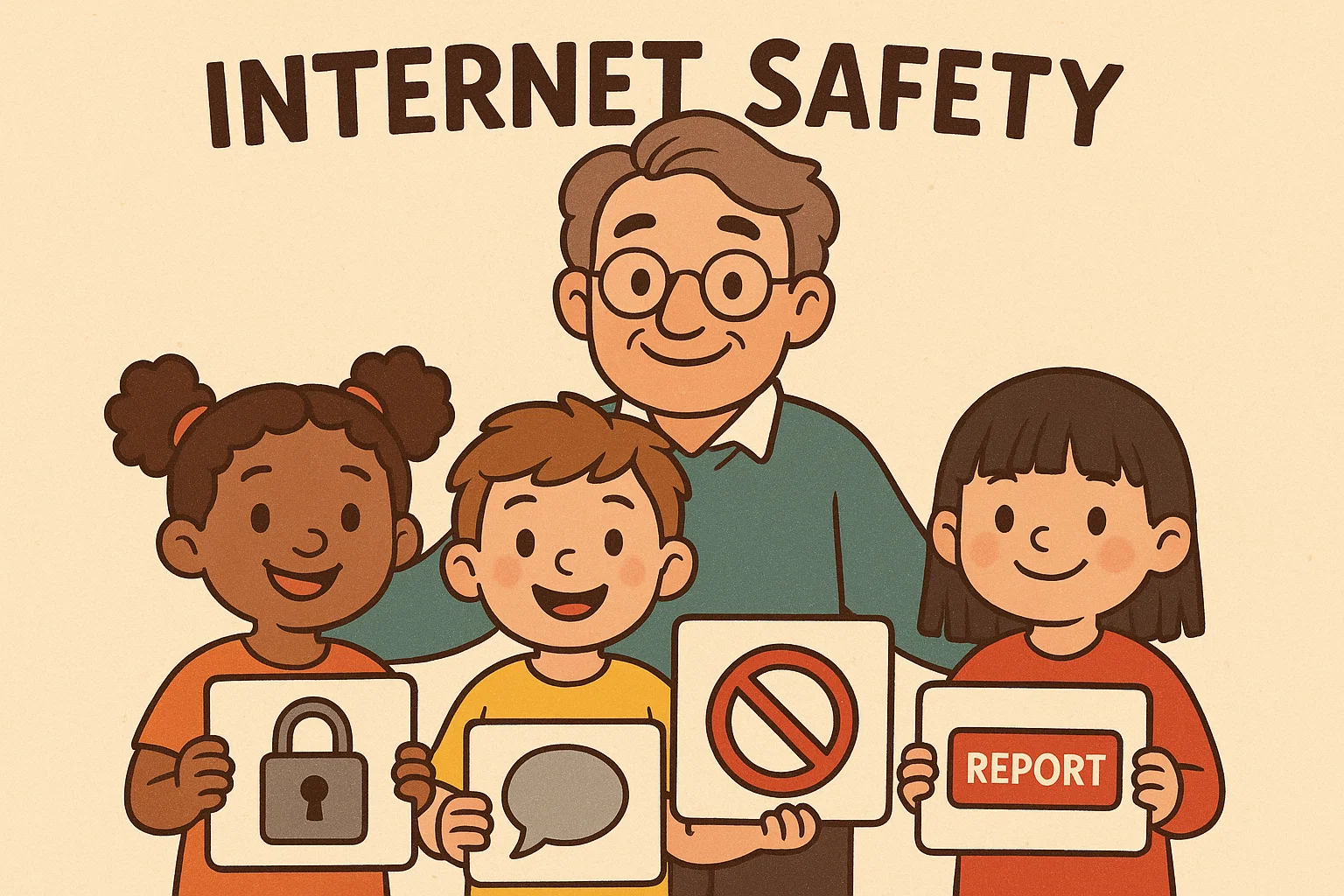
Online systems must provide clear, easily accessible reporting tools for underage users to flag abusive behavior, predatory contact, or harmful content. Furthermore, platforms must integrate automated hashing mechanisms to detect and remove Child Sexual Abuse Material (CSAM) while maintaining rapid escalation procedures for law enforcement intervention.
E. Corporate Liabilities, Legal Risk, and Risk Mitigation
Failing to comply with international digital child safety regulations poses significant financial, operational, and legal risks for technology enterprises.
+-----------------------------------------------------------------------+
|                       CORPORATE PENALTY STRUCTURE                     |
+----------------───+───────────────────────────────────────────────────+
| Jurisdiction      | Maximum Statutory Financial Fines                 |
+----------------───+───────────────────────────────────────────────────+
| European Union    | Up to 6% of global annual turnover (DSA)          |
| United Kingdom    | Up to 10% of global annual turnover (OSA)         |
| United States     | Over $50,000 per COPPA violation / state lawsuits |
| Indonesia         | Administrative bans and platform blocking         |
+----------------───+───────────────────────────────────────────────────+
To reduce compliance risks, technology providers must follow structured implementation roadmaps:
Phase 1: Legal Audit & Risk Profiling
  └─ Conduct gap analysis against regional statutes (DSA, OSA, COPPA).

Phase 2: Architectural Redesign
  └─ Integrate Age Assurance APIs and enforce Privacy-by-Design defaults.

Phase 3: Algorithmic Calibration
  └─ Disable aggressive retention loops and turn off child profiling.

Phase 4: Escalation & Regulatory Reporting
  └─ Establish rapid CSAM removal protocols and submit compliance reports.
By transitioning from reactive moderation to proactive safety architectures, digital enterprises can fulfill their legal obligations, avoid disruptive regulatory penalties, and build safer online environments for children worldwide.