
Table of contents
Modern education places immense emphasis on academic performance, standardized testing, and extracurricular achievements. While reading, mathematics, and science form the foundational bedrock of scholastic growth, academic success alone does not fully equip a young person to navigate the complexities of everyday adult existence. Beyond classroom walls, children must learn functional, emotional, and practical life skills that foster long-term self-reliance, adaptability, and resilience.
Parents and guardians play a central role in cultivating these abilities. By introducing foundational capabilities early and gradually increasing their complexity as a child grows, families lay down the framework for well-rounded, capable individuals. The comprehensive guide below details the core skill sets every child requires to thrive independently in an ever-changing world.
1. Fundamental Practical Abilities for Self-Reliance
Teaching practical daily habits empowers children to manage their immediate environments, care for their physical well-being, and take pride in personal self-sufficiency.
A. Basic Personal Hygiene and Self-Care Routines
Personal care is the primary step toward personal independence. Children must learn proper handwashing techniques, consistent dental hygiene, and independent bathing habits. Explaining the underlying health benefits of these activities transforms daily chores into meaningful life long habits.
B. Garment Care and Dressing Skills
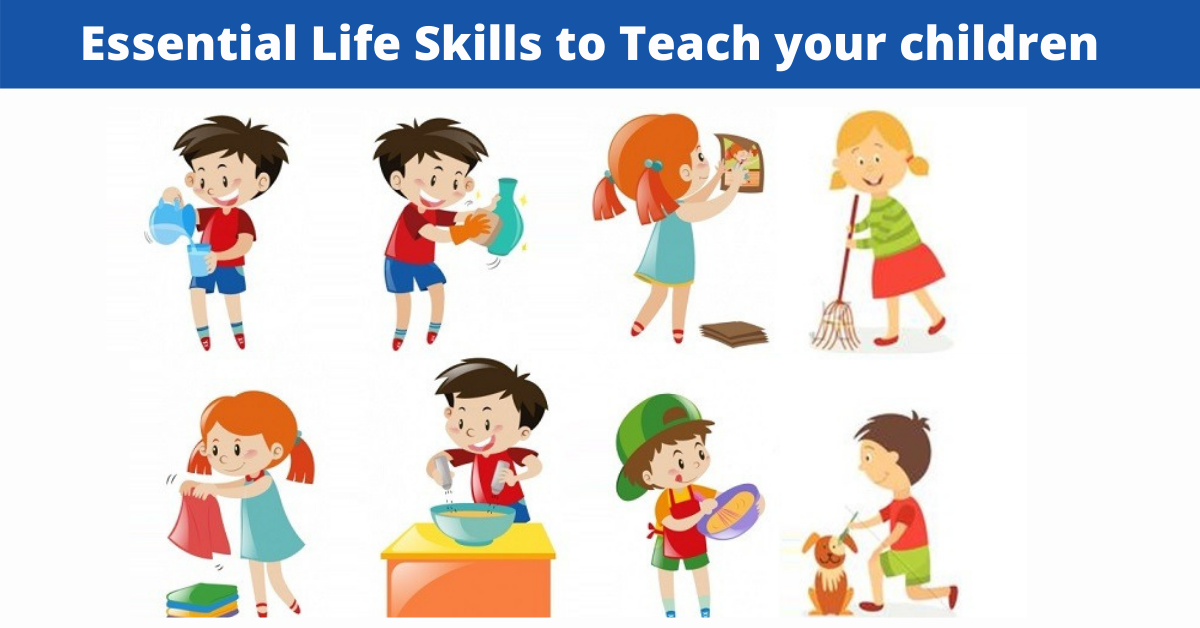
Mastering clothes selection according to weather conditions, managing fasteners like buttons and zippers, folding clean laundry, and tying shoelaces builds fine motor control and boosts daily self-confidence.
C. Basic Culinary and Kitchen Safety Skills
Involving children in age-appropriate cooking fosters healthy nutritional understanding and practical resourcefulness. Basic milestones include:
- Washing fruits and vegetables safely.
- Preparing simple non-cook snacks.
- Safe handling of kitchen tools under adult supervision.
- Setting and clearing the dining table with proper etiquette.
D. Home Organization and Household Maintenance
Children who participate in maintaining a home develop a stronger sense of responsibility and domestic competence. Useful tasks include sorting toys, wiping down surfaces, sweeping floors, and organizing personal belongings.
2. Emotional Intelligence and Social Competence
Navigating interpersonal relationships and managing internal emotional states are critical markers of healthy social development.
A. Active Listening and Clear Verbal Communication
Effective communication involves expressing personal needs, asking thoughtful questions, and actively absorbing what others say. Children should practice maintain eye contact, speaking clearly, and using polite greetings.
B. Emotional Identification and Self-Regulation
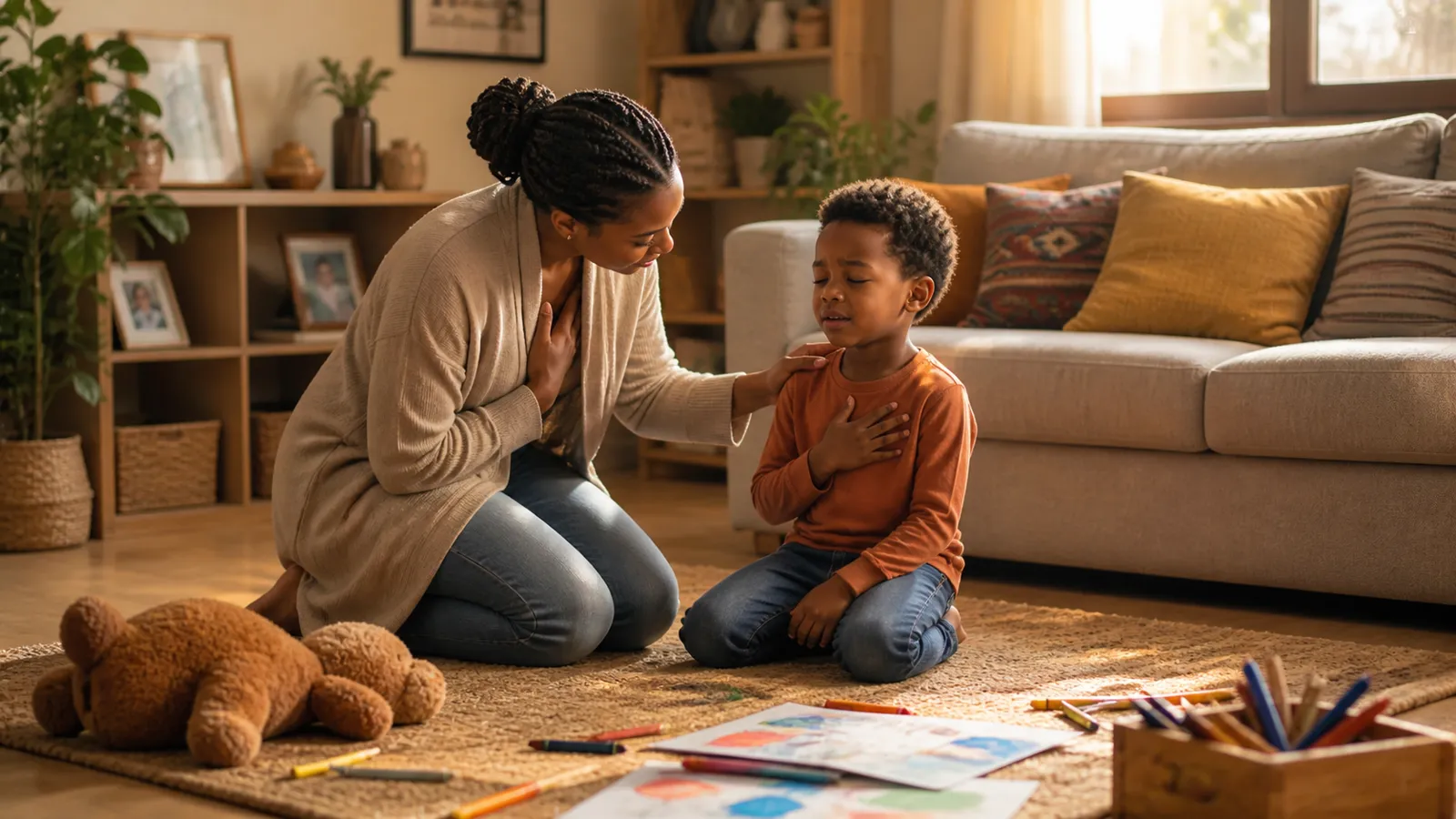
Developing emotional literacy requires learning to label feelings like frustration, sadness, or excitement accurately. Teaching healthy coping mechanisms—such as deep breathing exercises, quiet reflection, or structured verbal expression—helps prevent emotional burnout and supports self-control.
C. Empathy, Respect, and Perspective-Taking
Children must learn to recognize perspectives outside their own. Encouraging kindness, understanding diversity, and appreciating how individual actions affect others builds strong, empathetic relationships.
D. Conflict Resolution and Teamwork
Interpersonal friction is a natural part of social growth. Children benefit greatly from learning how to share, wait for their turn, compromise during disagreements, and collaborate effectively in group environments.
3. Cognitive Growth, Critical Thinking, and Problem Solving
Independent thinking helps children evaluate information, weigh consequences, and make sound choices when faced with daily obstacles.
A. Independent Problem-Solving Frameworks
Rather than immediately stepping in to resolve every minor difficulty, caregivers should encourage children to analyze a situation, brainstorm potential solutions, test outcomes, and learn from mistakes.
B. Thoughtful Decision-Making
Allowing children to make simple daily choices—such as choosing between two healthy snacks or deciding which task to finish first—instills a sense of autonomy and teaches the relationship between choices and consequences.
C. Curiosity and Continuous Learning
Fostering open-ended exploration, hands-on experimentation, and reading cultivates natural curiosity. Children who enjoy asking questions develop strong critical thinking habits that extend far beyond classroom requirements.
4. Financial Literacy and Resource Awareness
Early exposure to basic financial concepts lays the ground for prudent money management later in life.
A. Understanding Money and Value Recognition
Children should learn to identify different currency forms, understand how money is earned through effort, and recognize that resources are finite.
B. Distinguishing Needs Versus Wants
A core aspect of financial awareness is differentiating essential living expenses (needs) from non-essential luxuries (wants). This distinction prevents impulsive decision-making and fosters thoughtful prioritization.
C. Saving, Budgeting, and Smart Spending
Utilizing transparent piggy banks, chore-based allowances, or basic budget charts teaches children the reward of deferred gratification and long-term planning.
5. Time Management, Schedule Structure, and Planning
Understanding time allocation reduces stress, promotes punctuality, and boosts overall productivity.
A. Clock Reading and Time Comprehension
Learning both analog and digital time recognition enables children to visualize how time passes throughout the day.
B. Establishing Daily Routines
Consistent morning, homework, and bedtime schedules establish predictability and security. Following structured daily routines teaches self-discipline without constant parental intervention.
C. Prioritization and Goal Setting
Teaching children how to break large assignments into smaller steps, track deadlines, and balance work with recreation helps them build reliable time-management strategies.
6. Personal Safety and Environmental Consciousness
A complete life-skills foundation ensures that children remain safe in various environments while developing awareness of their impact on the surrounding world.
A. Physical Safety and Emergency Awareness
Children should memorize critical personal details, including full names, parental phone numbers, and home addresses. Additionally, they must learn essential road safety rules, stranger awareness guidelines, and emergency dialing procedures.
B. Digital Literacy and Online Safety
In an increasingly connected world, teaching appropriate screen use, privacy protection, respectful online interaction, and internet caution is paramount for physical and digital security.
C. Environmental Stewardship
Instilling small daily habits like conserving water, turning off unused lights, recycling waste, and respecting nature creates environmentally responsible global citizens.

Strategic Approaches for Teaching Life Skills Effectively
Skill acquisition requires patience, consistency, and positive reinforcement from parents and educators.
A. Lead by Example
Children observe and absorb adult behaviors constantly. Modeling organized habits, respectful communication, calm problem-solving, and emotional regulation remains the single most impactful instructional tool.
B. Incorporate Gamification and Play
Transform daily household chores into interactive challenges, clean-up races, or role-playing activities to keep learning fun, engaging, and low-pressure.
C. Praise Effort Over Perfection
Focusing on progress, willingness to learn, and persistence encourages a growth mindset. Acknowledge small victories regularly to build long-term confidence and self-reliance.
D. Provide Age-Appropriate Responsibilities
Tailor duties carefully to a child’s developmental stage to avoid overwhelm while ensuring continuous progress and meaningful challenge.
Final Thoughts
Equipping children with practical, emotional, cognitive, and financial life skills is an ongoing journey that yields lifelong dividends. By integrating these practical habits into daily routines, parents transform everyday moments into powerful educational opportunities. The ultimate goal of parenting is not raising children who never make mistakes, but raising confident, compassionate, and resilient adults who possess the tools to navigate whatever challenges the future holds.