
Table of contents
The educational landscape is undergoing a monumental shift. The traditional model of instruction, which relied almost exclusively on physical textbooks, lectures, and standardized lesson plans, is no longer the sole framework for child development. Today, Educational Technology popularly known as EdTech has emerged as a transformative force. EdTech platforms are redefining how children interact with information, discover complex concepts, and build foundational academic skills.
By combining cutting-edge software, artificial intelligence, interactive media, and pedagogical research, modern digital platforms are creating richer, more inclusive learning environments. These digital environments empower children to take ownership of their studies, enabling them to progress at their own speed while cultivating a genuine passion for lifelong learning.
The Paradigm Shift in Modern Childhood Education
For decades, classroom instruction operated under a uniform pace. Teachers were tasked with guiding large groups of students through identical curricula within set timeframes. While this structural design provided standard framework coverage, it frequently struggled to address the unique learning needs of individual students. Advanced students often experienced boredom, while children requiring extra support risked falling behind.
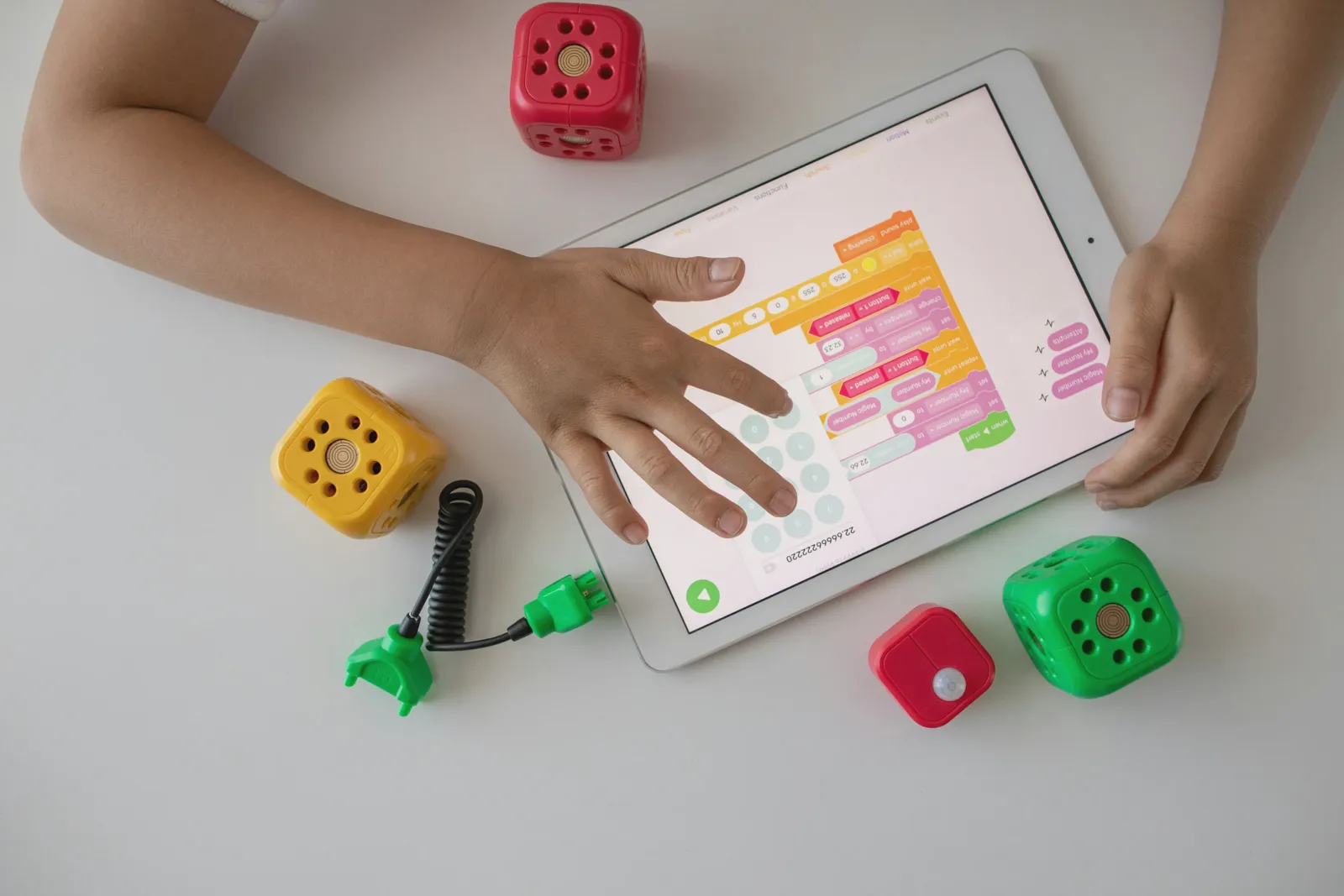
EdTech platforms directly address this structural challenge by introducing flexibility and responsiveness into the learning environment. Technology does not aim to replace the essential role of educators; rather, it amplifies their reach and efficiency. Digital tools convert passive instruction into an active process of discovery, allowing children to engage with educational materials through multiple modalities including visual graphics, audio guides, hands-on simulations, and interactive problem-solving modules.
This digital evolution shifts the focus of learning from memorization toward conceptual understanding, critical thinking, and practical application. Children are no longer passive recipients of information; they become active participants in their academic journeys.
Core Features Driving Student Empowerment
Modern EdTech applications incorporate specific technological architectures to maximize student engagement and comprehension. Understanding these elements highlights why digital platforms yield such significant results across various age groups.
┌─────────────────────────────────────────────────────────────┐
│                 Core Pillars of Modern EdTech               │
├──────────────────────────────┬──────────────────────────────┤
│  Adaptive Learning Algorithms│  Gamified Educational Design │
├──────────────────────────────┼──────────────────────────────┤
│  Multi-Sensory Engagement    │  Real-Time Progress Tracking │
└──────────────────────────────┴──────────────────────────────┘
A. Adaptive Learning Algorithms
Adaptive software serves as a core engine within top-tier educational tools. By evaluating a student’s responses, speed, and error patterns in real time, the platform automatically adjusts task difficulty. If a child demonstrates mastery over a mathematical concept, the software presents advanced challenges to keep them stimulated. Conversely, if difficulty arises, the system provides targeted hints, simpler breakdown steps, or alternative explanations before proceeding.
B. Gamified Educational Design
Gamification integrates game-design principles—such as points, badges, progress bars, interactive avatars, and quest loops—into core academic learning. This framework leverages positive reinforcement to sustain motivation. Completing exercises feels less like a chore and more like achieving milestones in an interactive challenge.
C. Multi-Sensory Interactive Media
Children absorb information through various learning styles. Modern EdTech software incorporates rich audio instruction, animated visual demonstrations, tactile click-and-drag mechanics, and augmented reality simulations. This multi-sensory approach brings abstract concepts—such as planetary orbits, chemical reactions, or anatomical structures—into clear focus.
D. Real-Time Data Analytics and Feedback
Immediate feedback loops allow students to recognize and correct errors instantly, reinforcing correct problem-solving logic before missteps become ingrained habits. At the same time, behind-the-scenes analytics generate progress reports for parents and teachers, highlighting specific strengths and identifying areas needing further development.
Primary Educational Benefits of EdTech Platforms
The implementation of digital learning tools offers clear advantages across all levels of primary and secondary education. Below is a detailed breakdown of the primary benefits EdTech platforms deliver to young learners.
1. Personalized Learning Paths
Every child processes concepts at a distinct speed. Personalized learning modules allow students to pause, review, and revisit complex lessons as often as necessary without feeling rushed. This individualized flexibility helps eliminate performance anxiety while building academic self-confidence.
2. Universal Access to Global Resources
Digital platforms dismantle physical and geographical barriers. A child residing in a remote area can access the same top-tier STEM modules, language instruction, and literary archives as a student in a major metropolitan center. This democratization of education fosters global educational equity.

3. Early Acquisition of Digital Literacy
Navigating educational software teaches children critical digital skills from an early age. Students naturally learn how to navigate user interfaces, perform online research, manage digital workflows, and practice safe digital citizenship—skills that are essential for long-term academic and professional success in the 21st century.
4. Enhancement of Critical Thinking and Problem-Solving
Interactive platforms frequently present learning material through puzzle-based challenges, coding logic routines, and scientific simulations. Rather than simply memorizing facts, children are encouraged to test hypotheses, analyze outcomes, and refine their strategies, cultivating analytical problem-solving capabilities.
Key Categories of EdTech Tools for Children
The term “EdTech” encompasses a diverse ecosystem of specialized digital tools, each designed to support specific learning objectives.
                       ┌──────────────────────────────────────┐
                       │     EdTech Ecosystem Categories      │
                       └──────────────────┬───────────────────┘
                                          │
    ┌─────────────────┬───────────────────┼───────────────────┬─────────────────┐
    │                 │                   │                   │                 │
┌───┴───────────┐ ┌───┴───────────┐ ┌─────┴───────────┐ ┌─────┴───────────┐ ┌───┴───────────┐
│     LMS       │ │  STEM & Code  │ │   Language    │ │ Gamified Quiz │ │ AR/VR Tools   │
│  Platforms    │ │   Software    │ │   Learning    │ │   Platforms   │ │ & Simulations │
└───────────────┘ └───────────────┘ └─────────────────┘ └───────────────┘ └───────────────┘
A. Learning Management Systems (LMS)
Platforms such as Google Classroom, Canvas, and Schoology act as centralized hubs for education management. They stream lesson assignments, centralize digital resource libraries, and maintain direct communication channels between instructors, students, and parents.
B. STEM and Coding Applications
Tools like Scratch, Tynker, and Khan Academy offer interactive environments where children explore mathematical concepts, logical sequencing, and computer programming principles through structured activities.
C. Language Acquisition and Literacy Software
Platforms such as Duolingo Kids, ABCmouse, and Epic! utilize digital storytelling, phonetic voice recognition, and interactive vocabulary games to help children build reading comprehension and acquire second languages.
D. Gamified Assessment Platforms
Tools including Kahoot!, Quizlet, and Nearpod transform routine quizzes and study flashcards into engaging, real-time interactive challenges, keeping students focused and motivated.
E. Immersive Learning (AR and VR Technologies)
Augmented and virtual reality tools enable virtual field trips, letting students explore anatomical structures, historical monuments, or distant space environments directly from the classroom.
Overcoming Challenges in EdTech Integration
While the advantages of educational technology are substantial, successful integration requires addressing several practical challenges. Educational institutions, software developers, and families must work together to tackle these issues directly.
┌─────────────────────────┬─────────────────────────────────────────────────────────────┐
│ Integration Challenge   │ Recommended Mitigation Strategy                             │
├─────────────────────────┼─────────────────────────────────────────────────────────────┤
│ Digital Divide          │ Government subsidies, offline access, and affordable hardware│
│ Excessive Screen Time   │ Strict screen schedules, physical breaks, and hybrid lessons │
│ Data Privacy Concerns   │ Adherence to COPPA/GDPR rules and robust data encryption    │
│ Passive Consumption     │ Interactive project-based design and guided exploration     │
└─────────────────────────┴─────────────────────────────────────────────────────────────┘
A. Bridging the Digital Divide
Unequal access to high-speed internet and reliable computing devices remains a key challenge. Closing this gap requires targeted infrastructure investments, community tech centers, and software optimized for offline access or low-bandwidth environments.
B. Managing Screen Time and Physical Wellbeing
Unrestricted screen time can contribute to physical fatigue, sedentary behavior, and visual strain. Parents and educators should enforce balanced screen schedules, intersperse digital lessons with physical activities, and emphasize offline hands-on projects.

C. Ensuring Robust Data Privacy and Security
Because children’s platforms process sensitive usage data, maintaining stringent security standard compliance—such as COPPA (Children’s Online Privacy Protection Act) and GDPR—is mandatory. Software providers must implement strict encryption protocols, maintain transparent privacy policies, and eliminate intrusive commercial tracking.
D. Preventing Passive Consumption
Not all screen time provides equal educational value. Digital lessons should avoid passive video viewing, focusing instead on active problem-solving, open-ended creation, and collaborative project building.
Best Practices for Parents and Educators
Maximizing the impact of EdTech tools requires thoughtful implementation strategies. The following guidelines outline how parents and teachers can create an optimal digital learning ecosystem:
A. Establish Purposeful Learning Goals
Select EdTech applications based on specific learning outcomes rather than technological novelty. Ensure selected tools complement established curriculum goals and address identified skill areas.
B. Maintain a Balanced Hybrid Model
Combine digital tools with traditional offline activities like tactile drawing, physical reading, social interaction, and outdoor exploration. Technology is most effective as an enhancement to, rather than a total replacement for, traditional learning methods.
C. Actively Monitor Learning Analytics
Take advantage of builtin analytics dashboards to monitor learning milestones. Reviewing these metrics regularly helps parents and teachers provide timely support whenever a child encounters challenging topics.
D. Encourage Collaborative Digital Projects
Utilize digital platforms to connect students on shared initiatives. Group assignments and interactive problem-solving build social collaboration alongside academic mastery.
The Future of EdTech in Childhood Education
The rapid advancement of artificial intelligence, machine learning, and immersive technologies continues to expand possibilities within educational technology. Next-generation EdTech platforms will feature increasingly sophisticated virtual tutors capable of engaging children in natural, conversational instruction. Predictive analytics will detect potential learning gaps before they impact academic performance, enabling early and targeted support.
Furthermore, expanded spatial computing capabilities will allow virtual environments to transform abstract theoretical models into tangible experiences. When implemented with clear pedagogical purpose, data security, and balanced usage, EdTech platforms provide children with the tools, confidence, and foundational skills necessary to thrive in an increasingly digital world.