
Table of contents
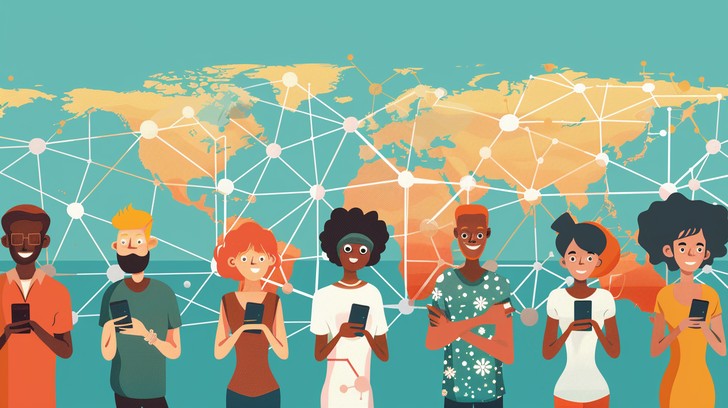
In an increasingly interconnected modern age, the concept of borderless communication has shifted from a visionary ideal to an everyday reality. Digital innovation is breaking geographical barriers, enabling youth across diverse continents, cultures, and socioeconomic backgrounds to meet on unified digital platforms. These global hubs do not merely foster casual social interactions; they serve as critical infrastructure for global education, cross-cultural empathy, rights advocacy, and youth-led climate action. Understanding how worldwide digital initiatives bring the younger generation together offers key insights into the future of global community building, collaborative learning, and international solidarity.
A. The Evolution of Youth Digital Connectivity
The transition from localized youth communities to global digital networks represents one of the most profound socio-technological shifts of the twenty-first century. Historically, a child’s worldview was largely shaped by their immediate physical surroundings, local school systems, and regional media. Today, high-speed internet, cloud computing, and interactive user interfaces allow youth to exchange perspectives instantly across oceans.
This evolution is driven by several interrelated factors:
- A. Infrastructure Expansion: The rapid deployment of broadband, satellite internet, and mobile networks has brought remote communities into the global digital ecosystem.
- B. Accessibility of Smart Devices: Lower manufacturing costs have made smartphones and tablets accessible to millions of families in developing economies.
- C. Intuitive User Interfaces: Modern software is designed with child-friendly navigation, voice search, and multi-language translation tools that remove traditional communication barriers.
- D. Collaborative Digital Environments: Online platforms have evolved from static display pages into interactive spaces where users co-create content, solve problems, and share experiences.
As these technological foundation stones settled into place, the scope of children’s online platforms expanded far beyond basic entertainment. They have transformed into sophisticated hubs designed for global collaboration, educational equity, and social change.
B. Core Objectives of Global Platforms for Youth
Global platforms designed for children and young adults are built on specific structural pillars to ensure that digital interaction leads to meaningful personal and educational development. Rather than focusing solely on user engagement, these initiatives prioritize developmental utility, equitable access, and safety.
+-----------------------------------------------------------------------+
|                 PILLARS OF GLOBAL YOUTH PLATFORMS                     |
+-----------------------------------------------------------------------+
|  1. Educational Equity & Open Access Learning Resources               |
|  2. Cross-Cultural Exchange & Empathy Building                         |
|  3. Youth Empowerment & Civic Advocacy                                |
|  4. Climate Resilience & Environmental Literacy                       |
+-----------------------------------------------------------------------+
1. Universal Access to Quality Education
One of the primary missions of international youth platforms is democratizing access to high-quality learning resources. Educational disparities between low-income and high-income regions remain vast. Unified digital hubs mitigate this gap by hosting open-source learning materials, interactive STEM modules, and standardized assessment frameworks accessible from any connected device.
2. Cultural Literacy and Global Citizenship
By facilitating direct dialogue between young people from different geographic and cultural backgrounds, these platforms foster mutual respect and dispel cultural stereotypes. Children learn to appreciate diverse traditions, languages, and worldviews, building a foundation for sustainable global citizenship early in life.
3. Civic Voice and Rights Awareness
Unified global networks provide young people with a voice on issues that directly impact their lives. Through guided forums, digital youth summits, and advocacy tools, platforms allow children to learn about their fundamental rights under international agreements like the United Nations Convention on the Rights of the Child (UN CRC).
C. Major Global Initiatives Uniting Youth
To understand the practical impact of these platforms, it is essential to examine the real-world initiatives leading the charge. These organizations combine technology, public policy, and educational frameworks to unite young people globally.
1. School Connectivity and Digital Inclusion (Giga Initiative)
Launched as a joint partnership between UNICEF and the International Telecommunication Union (ITU), the Giga initiative aims to connect every school in the world to the internet. Broadband connectivity in schools acts as an equalizer, giving students in rural or low-resource settings access to the same digital universe available to peers in major metropolitan areas.
Key operational pillars of school connectivity include:
- A. Global Mapping: Utilizing satellite imagery and machine learning to map school locations and evaluate live connectivity status worldwide.
- B. Infrastructure Modeling: Analyzing regional energy and telecom infrastructure to design affordable, sustainable internet solutions.
- C. Public Financing Mobilization: Securing capital investments from international donors, governments, and private technology sector partners.
- D. Procurement Streamlining: Assisting governments in negotiating fair telecom pricing to lower long-term connectivity costs for schools.

2. Youth Action and Empowerment Networks
Global networks such as ActionAid’s Global Platforms support young activists fighting for social justice, climate policy, and human rights across dozens of country hubs. These networks provide leadership training, campaign spaces, and digital collaboration tools that allow youth organizers to run synchronized campaigns globally.
3. Climate Resilience and Education Hubs
With climate change threatening disruptions to education worldwide, specialized platforms like ClimateAndEducation.org have emerged to bridge the gap between climate adaptation policy and schooling. Supported by global organizations like Save the Children and the Global Partnership for Education, these platforms gather research, provide adaptation toolkits for schools, and empower students to lead local environmental initiatives.
D. The Role of Technology in Bridging Educational Divides
Digital architecture plays a decisive role in determining whether a platform successfully reaches marginalized children. Advanced technology must be deployed responsibly to accommodate low-bandwidth environments, diverse linguistic backgrounds, and varying levels of digital literacy.
| Technology Component | Operational Function | Primary Impact on Youth Accessibility |
| Real-Time Translation Engines | Automatically translates user input and learning content into local languages. | Removes language barriers in international youth forums. |
| Lightweight Progressive Web Apps | Operates efficiently on low-spec hardware and slow 2G/3G mobile networks. | Ensures access for children in rural or economically disadvantaged areas. |
| Gamified Learning Frameworks | Converts complex educational concepts into interactive challenges. | Boosts student engagement and retention across all age groups. |
| Offline Data Synchronization | Allows students to download course material and upload completed assignments later. | Solves intermittent internet connectivity issues in remote regions. |
E. Safeguarding Children in the Digital Commons
While global platforms offer unprecedented opportunities for learning and connection, operating a digital space for minors introduces significant security, privacy, and ethical challenges. Protecting children from online harm while maintaining an open, collaborative environment requires multi-layered safety protocols.
+-----------------------------------------------------------------------+
|                    CHILD SAFETY & PRIVACY FRAMEWORK                   |
+-----------------------------------------------------------------------+
|  [Layer 1: Automated Content Filtering & AI Moderation]               |
|                                |                                      |
|  [Layer 2: Human Verification & Trained Community Safety Staff]        |
|                                |                                      |
|  [Layer 3: Privacy by Design & Zero Personal Data Exploitation]       |
+-----------------------------------------------------------------------+
Safety strategies implemented by top-tier global youth platforms rely on a sequential combination of technical and human safeguards:
- A. Automated Content Filtering: Deploying machine learning algorithms trained to detect and block inappropriate media, personal identifiable information (PII), and harmful text before publication.
- B. Human Moderation Teams: Employing child safety experts to review flagged content, resolve disputes, and ensure conversations remain constructive and respectful.
- C. Privacy by Design Architecture: Restricting the collection of personal user data, disabling public direct messaging between unverified accounts, and eliminating targeted behavioral advertising.
- D. Digital Literacy Training: Embedding interactive safety tutorials into the platform onboarding process to teach children how to recognize cyberbullying, guard personal privacy, and report problematic behavior.
F. Overcoming the Digital Divide and Inclusion Challenges
Despite significant progress in expanding internet infrastructure, the global digital divide remains a critical barrier to universal participation. Millions of children in developing nations and conflict-affected zones lack basic digital access, threatening to worsen existing socioeconomic inequalities.
Addressing this disparity requires targeted strategies tailored to specific structural obstacles:
1. Infrastructure Shortages in Rural Areas
In many remote regions, the absence of basic electrical grids and cellular towers prevents schools from integrating digital tools. Solvers are implementing off-grid solar power solutions, micro-data servers, and low-Earth-orbit (LEO) satellite connectivity to establish stable access points.
2. Economic Constraints and Device Costs
Even where internet coverage exists, the cost of computing hardware remains prohibitive for low-income households. Public-private partnerships are addressing this challenge through device refurbishing programs, government subsidies, and the development of low-cost, durable hardware designed specifically for classroom environments.
3. Gender Disparities in Digital Access
In several regions, cultural norms and economic factors result in girls having significantly less access to digital devices and technology training than boys. International platforms actively incorporate gender-inclusive outreach campaigns, targeted digital skill workshops for young women, and female-focused mentorship programs to ensure equal representation.
G. Future Trends in Global Youth Platforms
As emerging technologies mature, the capabilities of global platforms for children will expand dramatically. The integration of next-generation tools promises to make global collaboration more immersive, personalized, and impactful.

Key developments shaping the future of global youth platforms include:
- A. AI-Driven Personalized Learning Pathways: Artificial intelligence algorithms will tailor educational content to each student’s unique learning speed, cognitive strengths, and language requirements.
- B. Immersive Cross-Cultural Classrooms: Virtual reality (VR) and augmented reality (AR) technologies will allow students from different sides of the globe to explore virtual historical sites, conduct scientific experiments, and attend joint lectures in shared 3D environments.
- C. Decentralized Youth Governance Networks: Blockchain and smart contract systems will enable transparent, tamper-proof voting mechanisms for global youth councils, allowing young people to collectively manage community project budgets.
- D. Real-Time Voice and Video Translation: Advanced neural translation networks will allow children speaking completely different native languages to converse fluently via live audio and video streams without delays.
H. Strategic Implementation Roadmap for Educational Leaders
For governments, non-governmental organizations (NGOs), and educational institutions seeking to leverage global youth platforms, a structured implementation strategy is necessary to maximize long-term effectiveness.
1.Assess Infrastructure Readiness:Prerequisite audit step.
Conduct a comprehensive audit of existing hardware, power availability, and network bandwidth across participating schools to identify gaps before selecting platform software.
2.Establish Data Privacy Protections:Regulatory compliance step.
Implement clear legal agreements and technical safeguards compliant with international child privacy regulations to guarantee student data security.
3.Train Teachers and Facilitators:Operational capacity step.
Develop professional development courses for educators, training them on how to integrate global platform tools into daily classroom curricula.
4.Launch Pilot Integration Programs:Testing and feedback step.
Roll out platform access across a selected sample of diverse schools to monitor user adoption, evaluate network performance, and collect feedback from students and teachers.
5.Scale Systemic Deployment:Full implementation phase.
Expand platform access nationwide while establishing continuous monitoring frameworks to measure educational outcomes and long-term engagement.
Summary of Key Takeaways
Global digital platforms represent a fundamental shift in how the world’s younger generations learn, communicate, and collaborate. By uniting children across geographical boundaries, these systems foster cultural empathy, equalize access to quality education, and empower youth to address global challenges like climate change and social inequality. Ensuring equal access through infrastructure investment, robust data privacy standards, and teacher training remains essential to unlocking the full potential of a connected global youth community.