
Table of contents
Parenting in the modern era presents a completely unique landscape compared to previous generations. Rapid technological advancements, shifting social dynamics, and evolving educational models have drastically altered how children spend their daily lives. Today, parents face the continuous challenge of balancing the obvious benefits of screen-based innovation with the indispensable need for physical activity, hands-on creativity, social development, and emotional well-being. Finding the right mix of lifestyle choices for children requires a thoughtful, proactive approach. This comprehensive guide explores the primary modern lifestyle options available to families, offering actionable strategies to nurture resilient, well-rounded, and healthy children.
1. Navigating Digital Integration and Screen Time Management
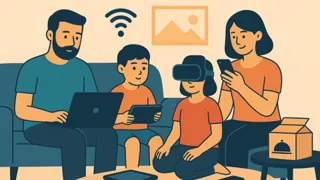
Technology is an undeniable component of the contemporary child’s daily environment. From interactive learning apps in early childhood to social networking during adolescence, digital devices offer powerful avenues for education and personal growth. However, unmonitored screen consumption can quickly lead to sedentary habits, reduced attention spans, and irregular sleep patterns. A well-constructed modern lifestyle focuses on intentional digital integration rather than complete prohibition.
A. Establishing Healthy Screen Boundaries
Children benefit immensely from predictable structure. Establishing designated device-free zones and specific times for screen usage helps children build self-regulation. For instance, keeping bedrooms free of laptops, tablets, and smartphones ensures that evening rest remains undisturbed. Additionally, designating mealtime as a technology-free family ritual encourages real-time conversational skills and active listening.
B. Curating High-Quality Educational Content
Not all screen time carries equal weight. Parents can actively select media that stimulates critical thinking, problem-solving, and creativity. Educational platforms, coding programs, interactive natural science applications, and digital storytelling tools transform passive consumption into an enriching learning experience.
C. Encouraging Co-Viewing and Active Participation
Engaging with digital media alongside children creates natural opportunities for dialogue. By discussing video games, online shows, or educational videos together, parents can teach digital literacy, online safety, and critical thinking. This collaborative approach allows children to evaluate the content they consume rather than passively absorbing it.
2. Prioritizing Physical Health and Active Play
With screen-based entertainment constantly competing for children’s attention, encouraging physical movement is more important than ever. Physical activity supports cardiovascular health, bone density, motor skill refinement, and emotional stress relief. Modern parents can choose from a wide spectrum of physical activities tailored to their child’s unique personality and interests.
A. Embracing Unstructured Outdoor Exploration
While organized athletic programs offer great value, unstructured free play outdoors remains essential for natural developmental milestones. Spending time in parks, backyard spaces, or natural reserves allows children to exercise their imagination, test physical boundaries, and experience hands-on risk assessment through natural exploration.
B. Participating in Structured Youth Sports
Enrolling children in team sports or individual discipline-based activities—such as soccer, swimming, martial arts, or gymnastics—teaches foundational physical coordination. Beyond fitness, structured sports introduce critical life skills including teamwork, patience, respect for leadership, and constructive handling of both victory and setback.

C. Integrating Active Transportation and Family Movement
Physical wellness can be seamlessly woven into standard family routines. Choosing to walk or bike to nearby locations, taking regular evening walks together, or planning active weekend outings like hiking or cycling reinforces the understanding that physical movement is an enjoyable, baseline component of daily life.
3. Implementing Modern Nutritional Strategies
Nutrition plays a fundamental role in a child’s physical growth, cognitive processing, and emotional stability. However, modern lifestyle pressures—such as busy schedules and the widespread availability of heavily processed convenience foods—can make healthy meal preparation challenging. Adopting a practical, balanced approach to family nutrition empowers children to establish a positive relationship with food that lasts into adulthood.
A. Prioritizing Whole, Nutrient-Dense Foods
A strong nutritional foundation emphasizes whole foods, including fresh vegetables, fruits, lean proteins, healthy fats, and unrefined grains. Minimizing ultra-processed snacks and high-sugar beverages helps prevent energy spikes and subsequent mood drops, supporting steady concentration throughout the school day.
B. Involving Children in Meal Preparation
When children participate in selecting recipes, shopping for ingredients, and preparing meals in the kitchen, they develop a sense of ownership over their dietary choices. Cooking together serves as a practical, hands-on lesson in mathematics, chemistry, and nutrition, making healthy foods significantly more appealing.
C. Cultivating Mindful Eating Habits
Teaching children to listen to their natural hunger and fullness cues fosters long-term intuitive eating habits. Discouraging eating while watching television screens helps kids focus on the sensory experience of their food, promoting better digestion and preventing mindless overeating.
4. Supporting Emotional Intelligence and Mental Well-being
Mental health and emotional intelligence are now widely recognized as essential pillars of early childhood development. In a fast-paced world filled with academic pressures and social expectations, equipping children with tools to navigate anxiety, express feelings, and build resilience is critical to their long-term happiness.
A. Creating an Open Emotional Dialogue
Children require a safe environment where their full spectrum of emotions is acknowledged without immediate judgment. Encouraging kids to articulate feelings of frustration, sadness, or anxiety builds strong emotional literacy. Parents can validate these feelings while gently guiding children toward constructive coping mechanisms.
B. Introducing Mindfulness and Relaxation Practices
Simple breathing exercises, age-appropriate guided meditation, and quiet reflection periods can dramatically assist children in managing stress. Dedicating a few minutes each evening to practice gratitude or peaceful reflection calms the nervous system and prepares the mind for restorative sleep.
C. Fostering Strong Social Connections
Building genuine friendships and maintaining meaningful family relationships provide an indispensable emotional safety net. Organizing regular playdates, encouraging collaborative group projects, and dedicating uninterrupted one-on-one family time help children refine empathy, conflict resolution, and communication skills.
5. Adopting Alternative and Flexible Educational Models
The modern approach to education extends far beyond traditional classroom lectures. Families now have access to a rich diversity of learning methodologies designed to accommodate varied learning styles, individual strengths, and unique personal interests.
A. Experiential and Project-Based Learning
Hands-on learning environments prioritize real-world application over rote memorization. Through science experiments, community service initiatives, or artistic endeavors, children absorb concepts deeply by directly solving practical problems and reflecting on the results.
B. Integrating STEM and Creative Arts Education
Blending Science, Technology, Engineering, and Mathematics (STEM) with creative arts (STEAM) nurtures both analytical logic and creative expression. This interdisciplinary approach prepares children for dynamic future career environments that demand innovative thinking and complex problem-solving abilities.
C. Encouraging Self-Directed and Interest-Based Learning
Granting children the autonomy to explore topics they are naturally passionate about fosters intrinsic motivation. Whether a child demonstrates a fascination with astronomy, wildlife conservation, music production, or narrative writing, supporting independent research projects builds lifelong learning habits.
6. Fostering Environmental Awareness and Sustainability
Modern children are growing up in an era defined by global conversations surrounding environmental stewardship and sustainable living. Instilling ecological responsibility at an early age nurtures empathy for the natural world and empowers children to make mindful consumer and lifestyle choices.
A. Practicing Daily Eco-Friendly Habits
Simple household routines—such as sorting recyclable materials, conserving household water, turning off unused lights, and reducing single-use plastics—demonstrate practical environmental responsibility. Children internalize these daily behaviors as natural standards for everyday living.
B. Engaging in Community Conservation Efforts
Participating in local tree-planting events, park cleanup initiatives, or neighborhood community gardens offers tangible ways for children to contribute to their environment. These shared community activities build a strong sense of civic pride and environmental agency.

C. Teaching Mindful Consumption
In a society often driven by constant consumer acquisition, teaching children to value experiences over material possessions helps cultivate gratitude. Discussing the lifespan of consumer products, the value of repairing broken items, and the benefits of donating unused toys fosters a balanced, sustainable perspective.
7. Structuring Balanced Schedules for Modern Families
One of the most frequent challenges modern families encounter is over-scheduling. While providing children with enrichment opportunities is well-intentioned, packing every afternoon with extracurricular commitments can result in chronic exhaustion, elevated stress, and reduced creative drive.
A. Protecting Dedicated Downtime
Unscheduled time is not empty time; it is a crucial component of creative intellectual growth. When children experience moments of unstructured downtime, they are naturally prompted to invent games, read for pleasure, draw, or engage in self-directed introspection.
B. Prioritizing Consistent, Restorative Sleep
Adequate, high-quality sleep underpins every aspect of a child’s development, including cognitive memory consolidation, immune system performance, and emotional regulation. Establishing a calm, predictable wind-down routine helps ensure children achieve the sleep duration recommended for their specific age group.
C. Building Meaningful Family Rituals
Consistent family rituals such as weekly game nights, weekend breakfasts, or evening reading sessions—provide a comforting sense of stability. These predictable shared events strengthen family bonds and offer a reassuring anchor amidst the busy demands of modern work and school schedules.
Conclusion
Guiding a child through the multi-faceted options of modern living does not require rigid perfection or total elimination of contemporary conveniences. Instead, it involves making intentional, balanced choices that prioritize long-term physical, mental, and social health. By thoughtfully blending modern technology with outdoor movement, nutritious food choices, emotional support, dynamic educational experiences, and adequate rest, parents can create a nurturing foundation. Ultimately, a balanced lifestyle empowers children to navigate an ever-changing world with confidence, curiosity, and enduring resilience.