
Table of contents
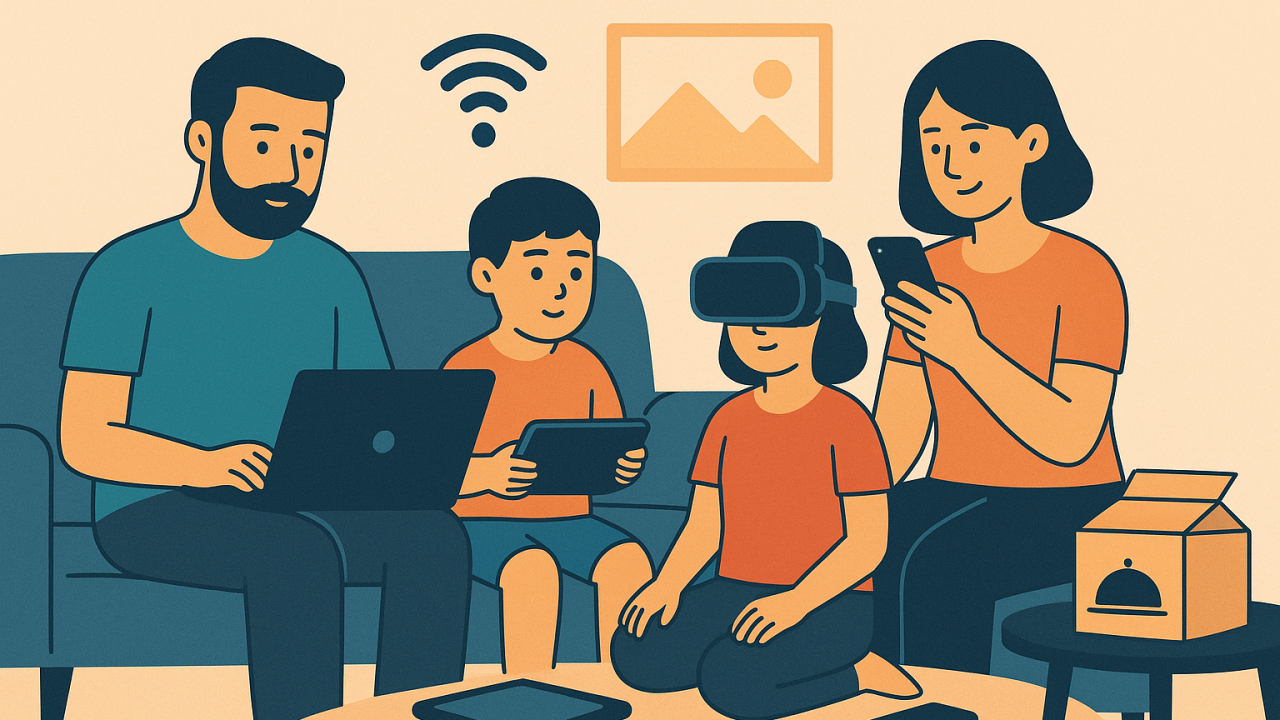
Parenting has always been one of the most challenging and fulfilling responsibilities a human being can undertake. However, raising children in the current digital landscape introduces an entirely new set of complexities that previous generations never had to navigate. Parents today are not just teaching their offspring basic life skills, ethical values, and social manners; they are also acting as digital guardians, algorithm monitors, and screen time managers. The proliferation of smartphones, tablets, high-speed internet, gaming consoles, and social media platforms has fundamentally reshaped how children play, learn, communicate, and perceive the world around them.
While technological innovation offers unprecedented access to educational tools, creative outlets, and global connectivity, it simultaneously presents severe risks. Issues such as cyberbullying, digital addiction, privacy exposure, sleep disruption, and decreased physical activity are growing concerns for families worldwide. Striking a healthy equilibrium between leveraging the advantages of modern technology and protecting children from its potential pitfalls requires intentional, informed, and continuous effort. This comprehensive guide explores the multidimensional impacts of the digital era on child development and offers practical, actionable strategies for contemporary families.
The Evolution of Childhood: From Analog Play to Virtual Spaces
To effectively manage children’s interactions with technology, it is essential to understand how drastically the environment of childhood has transformed over the past few decades. In prior generations, recreation was predominantly physical and community-based. Children engaged in unstructured outdoor play, read physical books, and built face-to-face interpersonal relationships within their immediate neighborhoods.
In contrast, the modern digital landscape has shifted childhood activities toward virtual environments. Playgrounds have frequently been replaced by online gaming servers, personal diaries have turned into public social media feeds, and learning is increasingly mediated through screens.
A. Ubiquitous Accessibility: High-speed mobile devices mean that the internet is no longer a stationary tool located in a shared family room; it is accessible anywhere and at any time right from a child’s pocket.
B. Algorithmic Engagement: Modern software and applications are deliberately engineered using psychological principles to maximize user engagement and prolong screen time through continuous notifications and personalized content feeds.
C. Premature Exposure: Children are exposed to complex global news, adult content, and sophisticated marketing tactics at significantly younger ages than ever before.
D. Virtual Peer Validation: Social connections are increasingly quantified through virtual feedback metrics such as likes, shares, comments, and follower counts, altering how young individuals evaluate their self-worth.
Cognitive and Emotional Impacts of Technology on Young Minds
The human brain undergoes rapid growth and structural development during childhood and adolescence. Because neurological pathways are shaped by daily experiences, constant immersion in digital environments leaves a distinct mark on cognitive and emotional development.
Attention Span and Focus Dynamics
One of the most widely discussed effects of early technology usage is its impact on sustained attention. Modern digital media prioritizes rapid scene changes, short-form video content, and instant gratification. When young minds become accustomed to this high rate of stimulation, traditional activities like reading long text passages, listening to lectures, or solving complex problems can feel tedious. Parents must actively nurture deep-focus habits through structured non-digital activities.

Emotional Regulation and Mental Well-being
Screen usage often functions as an emotional pacifier. When a child experiences boredom, frustration, or sadness, hand-held devices are frequently used to distract or soothe them. While effective in the short term, overreliance on digital distraction can hinder the natural development of emotional regulation skills and inner resilience. Furthermore, heavy consumption of idealized social media feeds can induce feelings of inadequacy, social anxiety, and depression, particularly among pre-teens and teenagers.
Physical Health Implications of Prolonged Screen Exposure
The physiological consequences of excessive screen consumption are just as significant as the cognitive and psychological effects. Sedentary digital habits directly influence a child’s physical development and overall bodily health.
A. Sedentary Lifestyle and Obesity: Extended hours spent sitting in front of monitors replace physical exercise, active play, and sports, contributing to rising rates of childhood obesity and related metabolic concerns.
B. Sleep Deprivation and Disrupted Cycles: The blue light emitted by electronic screens suppresses the production of melatonin, the hormone responsible for regulating sleep cycles. Late-night screen use delays sleep onset and degrades overall sleep quality.
C. Ocular Strain and Postural Issues: Prolonged close-up viewing leads to digital eye strain, dryness, and an increased incidence of myopia (nearsightedness). Additionally, poor posture while holding devices can result in chronic neck and back discomfort.
Essential Pillars for Healthy Digital Parenting
Successfully guiding children through the digital era requires shifting from reactive punishment to proactive management and open dialogue. Below are core strategies designed to foster a balanced digital home environment.
1. Establish Clear Family Media Agreements
Rules surrounding technology should never be arbitrary or unpredictable. Formulating a clear, written media agreement involving input from the entire family ensures that boundaries are understood and accepted by everyone.
A. Designate Screen-Free Zones: Keep specific areas of the home, such as dining tables and bedrooms, entirely free of personal electronic devices to promote family interaction and rest.
B. Set Strict Screen-Free Times: Establish routines where devices are turned off during meals, homework periods, and at least one hour before bedtime.
C. Define Content Boundaries: Specify which platforms, games, and applications are permitted based on age appropriateness rather than peer pressure.
2. Prioritize Co-Viewing and Active Engagement
Rather than treating digital screens as automated babysitters, parents should actively participate in their children’s digital experiences whenever possible. Co-viewing educational programs, playing multi-player video games together, and discussing online content transforms passive media consumption into an interactive learning opportunity. Ask open-ended questions like:
- What did you learn from this video?
- How do you think that online character handled their situation?
- Is everything we see online true and accurate?
3. Implement Robust Parental Controls and Privacy Safeguards
While open communication is fundamental, technical safety measures serve as a necessary safety net, especially for younger children.
A. Use Content Filters: Configure built-in content filtering tools on home internet routers, search engines, and media streaming platforms to restrict access to explicit content.
B. Manage App Downloads: Set password protections or permission requests on app stores to ensure children cannot download new applications without parental approval.
C. Secure Social Media Profiles: Adjust privacy settings on all active accounts to the highest level, ensuring that personal data, location tracking, and public messaging remain disabled.
Critical Online Safety Topics Every Parent Must Address
Educating children about the potential hazards of the internet is an ongoing process that evolves as they grow older. Key safety topics require clear, non-alarmist explanation and regular review.
+-------------------------------------------------------------------+
|                  CORE ONLINE SAFETY LESSONS                       |
+-------------------------------------------------------------------+
| 1. Digital Footprint: Online posts create permanent records.     |
| 2. Privacy Awareness: Never share personal or location details.   |
| 3. Cyberbullying Action: Report and block abusive behavior early. |
| 4. Online Strangers: Virtual contacts are still strangers.       |
+-------------------------------------------------------------------+
A. Understanding the Digital Footprint: Children must comprehend that anything shared online including photos, comments, and messages can be permanently saved, copied, and redistributed, potentially affecting their future personal and academic opportunities.
B. Recognizing Cyberbullying: Online harassment can take many forms, including exclusionary group chats, derogatory posts, or rumor spreading. Parents must establish a supportive environment where children feel comfortable reporting online abuse without fear of losing their device privileges.
C. Navigating Stranger Safety Online: Online gaming forums and social networks make interaction with unfamiliar individuals exceptionally easy. Children must learn never to share personal identifiers such as real names, school addresses, phone numbers, or real-time location data.
D. Critical Evaluation of Content: Teaching digital literacy involves helping children distinguish between factual information, opinion pieces, satirical content, sponsored advertising, and misleading content designed solely for clicks.
Encouraging Alternative Offscreen Interests
The most effective way to limit unnecessary screen time is not merely through prohibition, but by providing engaging, fulfilling offline alternatives. When children possess varied interests in the real world, digital entertainment naturally assumes a secondary role.
A. Outdoor Sports and Physical Activities: Enroll children in team sports, swimming lessons, martial arts, or regular family hiking trips to foster fitness and physical confidence.
B. Creative and Artistic Hobbies: Encourage tactile pursuits such as playing musical instruments, painting, woodworking, sculpting, or cooking, which build patience and tangible skills.
C. Unstructured Play and Independent Reading: Maintain a collection of age-appropriate physical books, board games, puzzles, and building blocks that stimulate imagination without electronic input.

Modeling Healthy Digital Habits as Parents
Children absorb behavior far more through observation than through verbal instruction. Parents who consistently check their devices during conversations, bring phones to the dinner table, or display digital distraction cannot reasonably expect their children to develop balanced technology habits.
A. Practice Mindful Device Usage: Demonstrate intentional phone use by stating your purpose out loud (e.g., “I am checking the weather forecast” rather than aimlessly scrolling).
B. Be Present During Interpersonal Interactions: Put away non-essential screens when your child is speaking to you, reinforcing that real-world relationships take priority over virtual notifications.
C. Audit Your Own Screen Time: Use device management tools to review your own weekly usage statistics and publicly share your goals for self-improvement with your family.
Conclusion: Empowering the Next Generation of Digital Citizens
Raising children in the modern era does not require rejecting technology or living in constant fear of its influence. Devices, software, and global connectivity are integral parts of contemporary society that offer immense educational, social, and creative potential when used wisely. The goal of modern parenting is not to isolate children from the digital ecosystem, but to equip them with the wisdom, self-discipline, critical thinking, and emotional resilience needed to navigate it safely.
By establishing clear limits, engaging in open communication, utilizing privacy safeguards, promoting offline hobbies, and modeling balanced behavior, parents can guide their children toward becoming responsible, healthy, and empathetic digital citizens.